

#39: The Motherwound: Why Shame and Guilt Can Be the Obstacle to Individuation and Healing
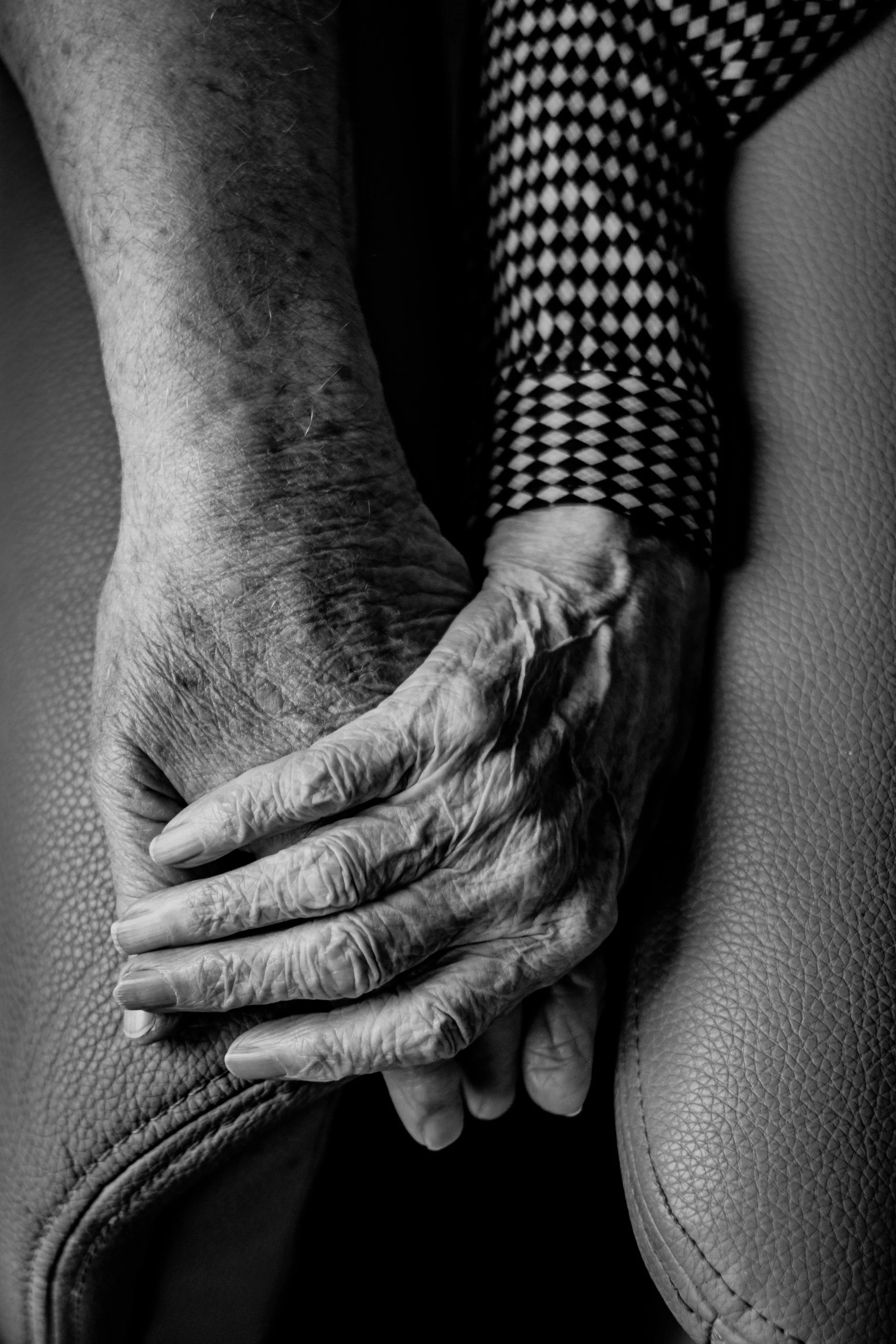
The relationship with our mother is our first experience of love, safety, and a sense of belonging.
It is also our first encounter with dependency and the limits of being understood. When this early bond carries unmet needs, emotional neglect, or enmeshment, we inherit more than relational pain; we internalise a template that shapes how we relate to ourselves and others.
This is what many therapists refer to as the motherwound: the emotional inheritance passed from mother to child through patterns of guilt, shame, and disconnection that can quietly shape our sense of self throughout life.
The Echo of Early Attachment
From a psychodynamic perspective, shame and guilt often emerge when natural emotions like grief, anger, or longing toward the mother cannot be safely expressed. When a child’s sadness or need for comfort is met with dismissal or discomfort, the child internalises the message that their feelings are “too much” or “wrong.”
Over time, these emotions turn inward. The child begins to carry not only the pain of disconnection but the belief that they caused it. Guilt replaces grief. Shame replaces longing.
In adulthood, these emotional patterns replay unconsciously in close relationships. We may find ourselves apologising for having needs, feeling responsible for others’ emotions, or withdrawing to avoid rejection. The echoes of early shame reverberate through our relationships with partners, friends, and even our own children.
The Inner Landscape: An IFS Perspective
In Internal Family Systems (IFS) terms, the motherwound is not a single feeling but a constellation of parts:
Exiled parts carry the raw grief and longing for the mother’s attunement.
Protective parts (often experienced as guilt or shame) work hard to keep those vulnerable feelings buried, believing they are unsafe or unacceptable.
Manager parts may strive for control, perfection, or emotional independence to prevent further disappointment or rejection.
These parts are not pathological; they are adaptive. They developed to help the child survive emotional loneliness. But as adults, they can prevent us from forming secure attachments because the very mechanisms that once kept us safe now keep us separate.
Therapeutic work gently brings these parts into awareness, allowing compassion to replace judgment. When we begin to grieve what was unmet without blaming ourselves, the psyche reorganises, making space for authentic connection and self-trust.
“The path forward is paradoxical: we must acknowledge the pain of separation and the love that binds us. ”
Shame, Guilt, and the Individuation Process
The journey toward individuation becoming one’s whole, autonomous self requires that we separate from the internalised mother. Do not reject her, but differentiate from her psychic influence.
Shame and guilt often obstruct this process. They act as inner gatekeepers, saying: You have no right to your own feelings. You must stay loyal to what was. Individuation demands that we face these inner voices and recognise them as inherited defences, not absolute truths.
The path forward is paradoxical: we must acknowledge the pain of separation and the love that binds us. Only then can we move from unconscious loyalty to conscious connection, loving our mothers as complex human beings rather than as idealised or feared figures.
When the Mother Does Not Individuate
The mother’s own unintegrated wounds deeply affect the next generation. A mother who has not individuated who remains entangled with her own family patterns or dependent on her child for emotional regulation cannot fully allow her child to separate.
In such cases, the child is subtly enlisted to carry the mother’s unmet needs: to soothe her loneliness, fulfil her ambitions, or mirror her worth. The child learns that love requires self-abandonment and adulthood becomes a struggle between loyalty and authenticity.
This is how the cycle repeats. The child who has not been allowed to individuate may unconsciously recreate the same emotional dynamic in their own relationships, continuing the lineage of guilt, shame, and emotional fusion.
Breaking the Cycle
Healing the motherwound is not about blame, it's about awareness. In therapy, we create a space where grief can be expressed without guilt, where anger can be understood as part of love, and where shame is met with compassion rather than secrecy.
This is the beginning of individuation: reclaiming one’s own emotional truth.
As we integrate these split-off parts, we become more able to love without losing ourselves, to care without collapsing, and to belong without betraying who we are.
In this way, the wound becomes a doorway. Through it, we rediscover not only our autonomy but our capacity for genuine, human connection.
At Hue Therapy, we offer a compassionate and grounded space to explore the motherwound. Our psychotherapists support you in uncovering the parts of yourself that long for connection, helping you build relationships rooted in authenticity, acceptance, and emotional safety. Through this process, you can rediscover a deeper sense of self and shared humanity, one that allows you to feel truly seen, supported, and at home within yourself and with others.
SEE IF HUE IS RIGHT FOR YOU, Book your FREE 15 min introductory session TODAY.