

Read with Hue
As a community of lifelong learners, Hue Resources and Book Club will focus on offering a reading list on mental health, relationships, wellness and the many layers of life. Through this journey, we aim to build self-awareness, develop our internal toolkit, and expand our knowledge together.
Community members are welcome to write and submit their book reviews and personal reflections to be published here – send via email.

The Gift of Therapy by Irvin Yalom
@irvindyalom | OUR BLOG: 15, 12, 10 -
Much like our approach at Hue Therapy, Dr. Yalom uses the dynamic relationship between unconscious forces and how they influence conscious functioning.
He applies this framework to explore what he calls the ‘four ultimate concerns’ within any given experience, namely: death, isolation, meaning of life, and freedom. This book is a great resource for anybody on a therapy journey.
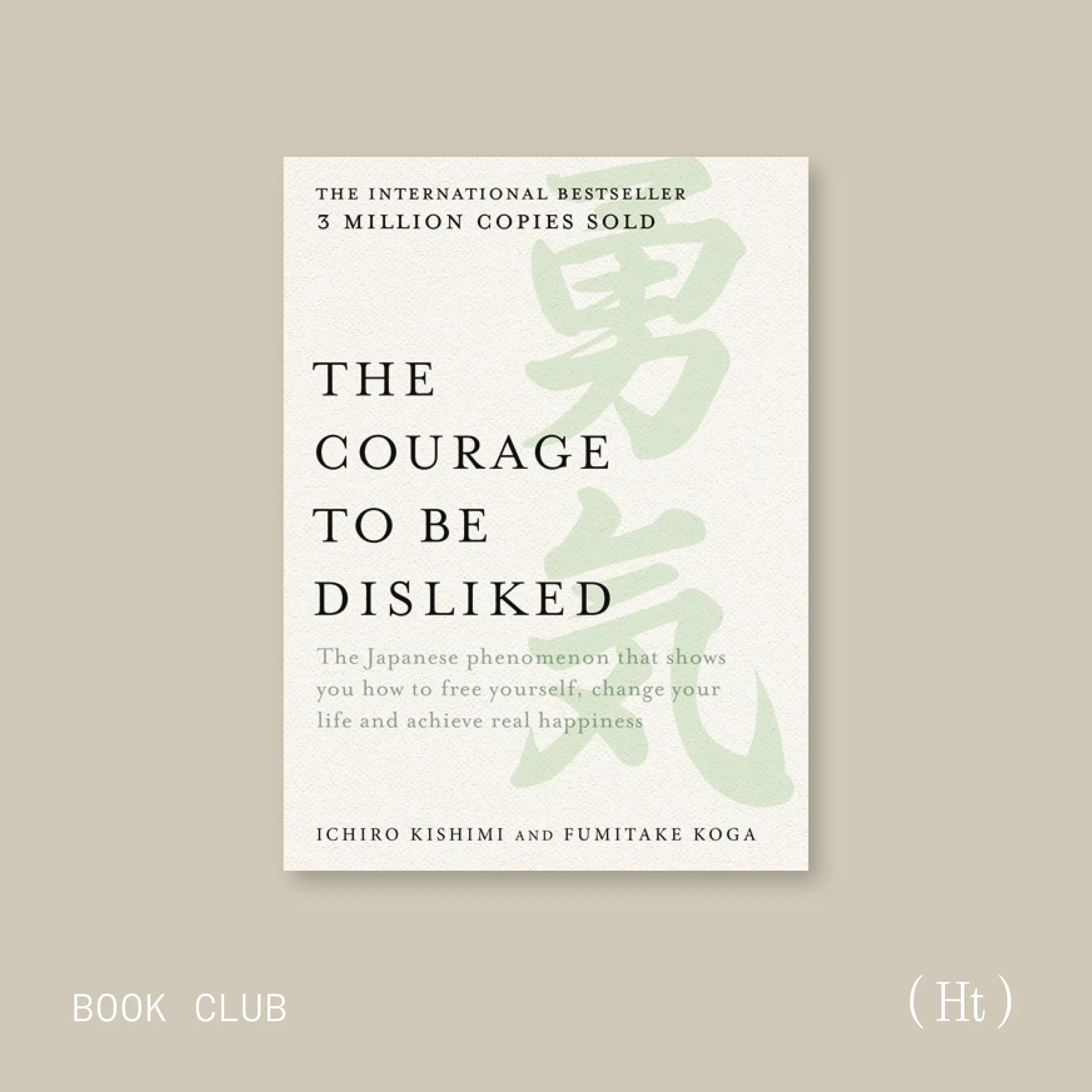
The Courage to be Disliked by Ichiro Kishimi and Fumitake Koga
OUR BLOG: 17 -
Adlerian psychology focuses on courage. He believes that humans frequently cling to problems, no matter how much we complain and want to change because overcoming them requires us to encounter fear.
The problem, as Kishimi and Koga point out, is that this creates more suffering as it causes us to take actions that postpone, rather than build, a meaningful life.
Our unhappiness cannot be blamed on our past or our environment. And it isn’t that we lack competence. It is that we lack courage.
“No experience is in itself a cause of our success or failure. We do not suffer from the shock of our experiences—the so-called trauma—but instead we make out of them whatever suits our purposes. We are not determined by our experiences, but the meaning we give them is self-determining.”
This book offers an inherently challenging and controversial perspective that provokes conflictual thinking. If you are working on sitting with and overcoming discomfort, this might be the book for you.
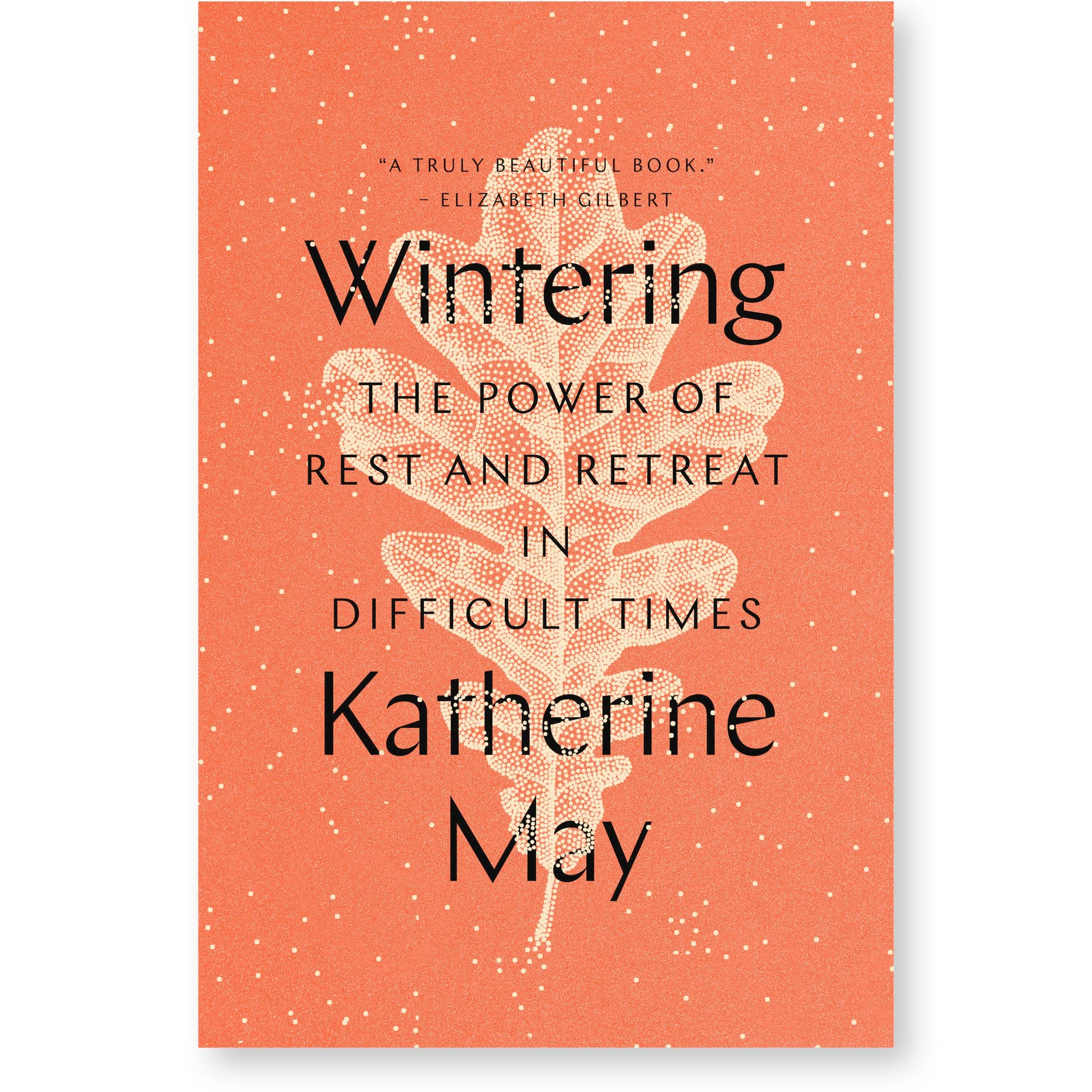
Wintering by Katherine May
@KATHERINEMAY_ | OUR BLOG: 5 -
May challenges the prevailing belief that constantly seeking the energy of summer and spring is the path to fulfilment, emphasising the importance of honouring our winter season for personal transformation. Our cultural conditioning often teaches us to view rest as something to be earned, exhaustion after labour as an honourable state, and depletion as a sign of dedication. These ingrained beliefs, originating from various sources such as war, colonisation, or patriarchal abuse, perpetuate misconceptions about the role of rest, restoration, and rejuvenation.
Whether we reside in a place that experiences all four seasons or just one, understanding the power and purpose of each season can help us harmonise with nature. Nature has always been our teacher, guide, and nurturing mother.
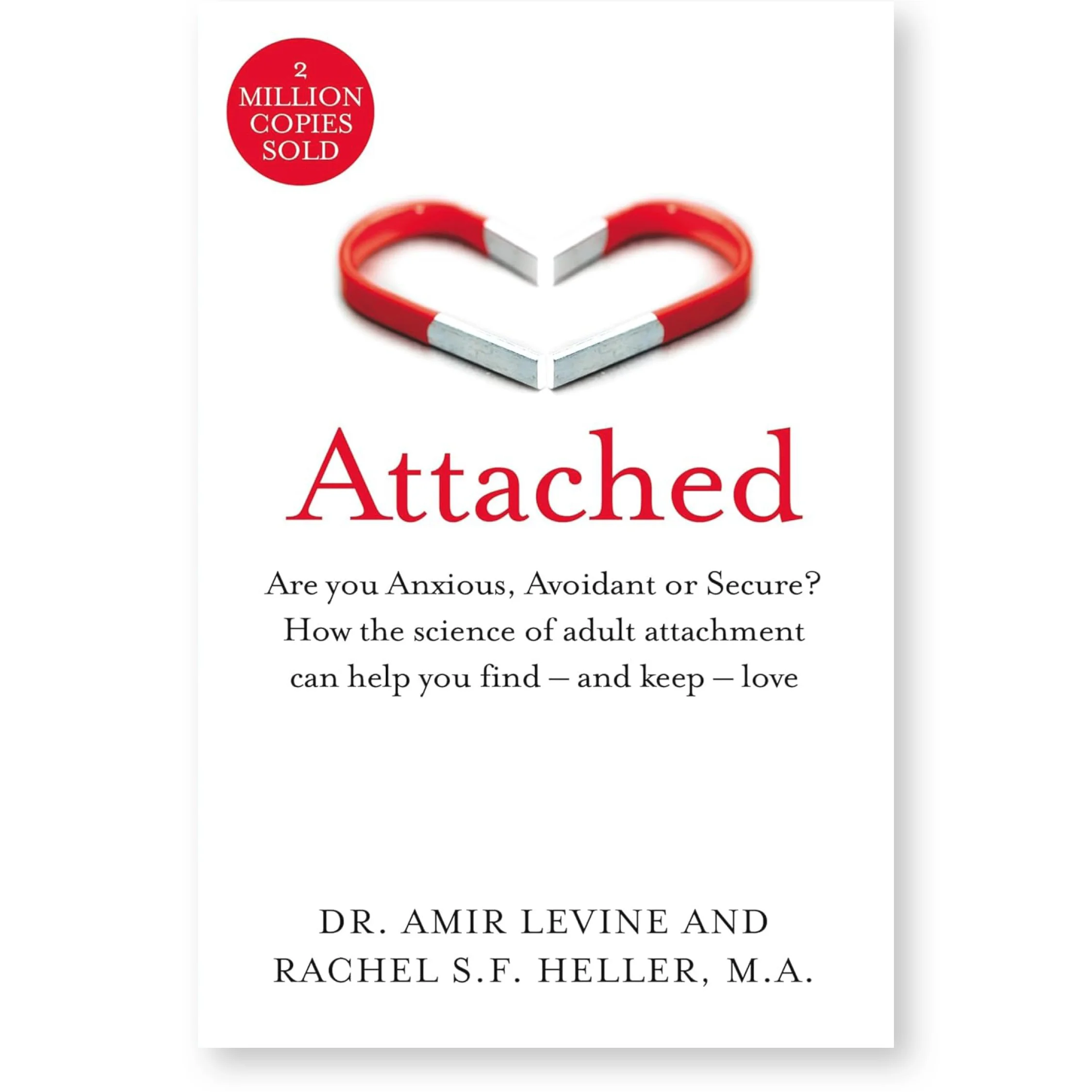
Attached: Are You Anxious, Avoidant Or Secure? by Amir Levine and Rachel Heller
-
Whether it's a family member, friend or intimate partner, learning your and their attachment style can help you understand how you respond to challenging circumstances, conflict and reconciliation.
This book has lots of digestible information and activities to engage you in these concepts.
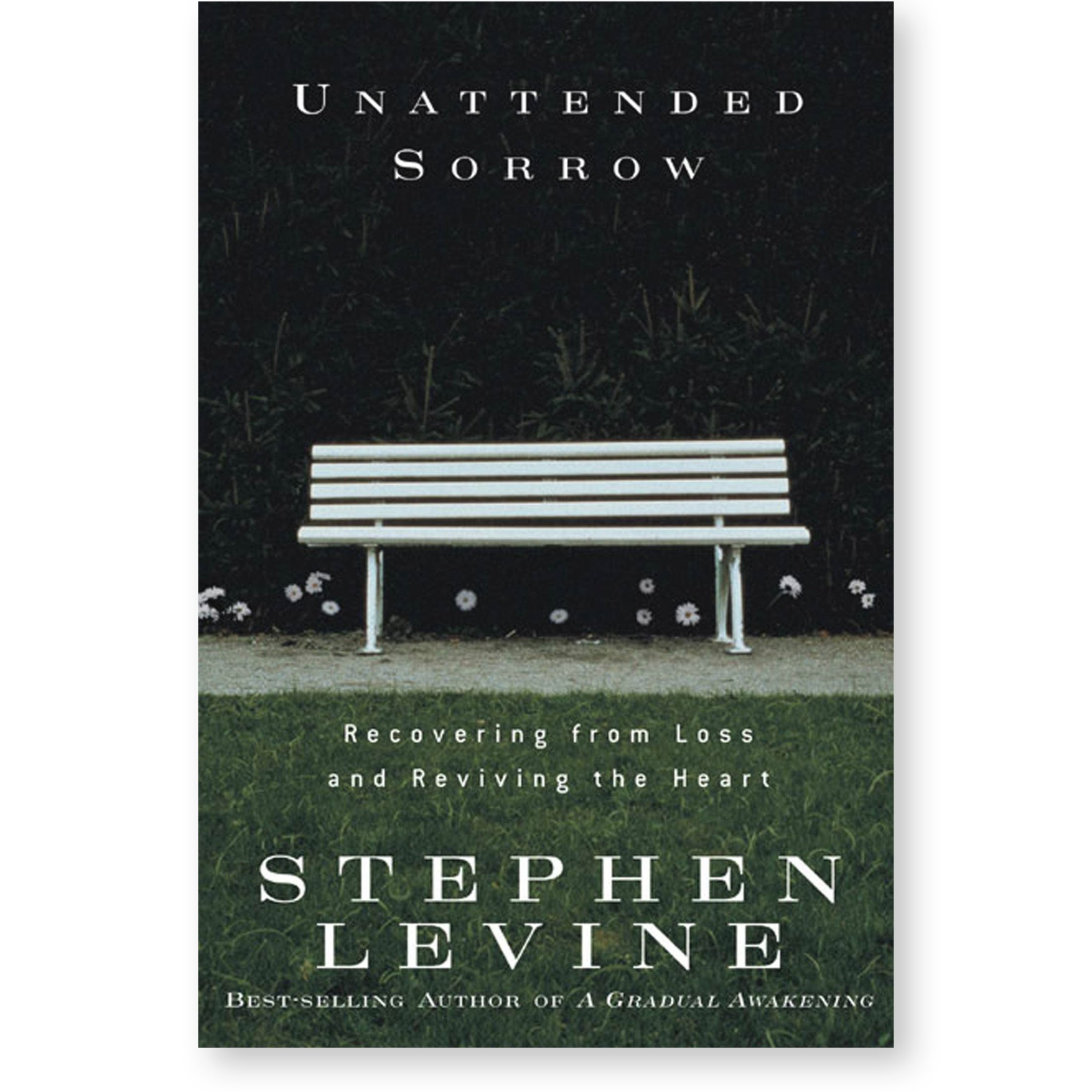
Unattended Sorrow by Stephen Levine
-
Creating space to fully embody the emotions and feelings that present themselves honours what it is you are grieving. Surrendering to this process leads us toward transformation and rebirth.
We must sit in the darkness and wait for the light.
The book: Unattended Sorrow is about unresolved grief that has never been given a chance to heal. This lovely, spiritual book from one of the nation's most trusted grief counsellors offers techniques to help heal this pain so readers can lead full and joyful lives.

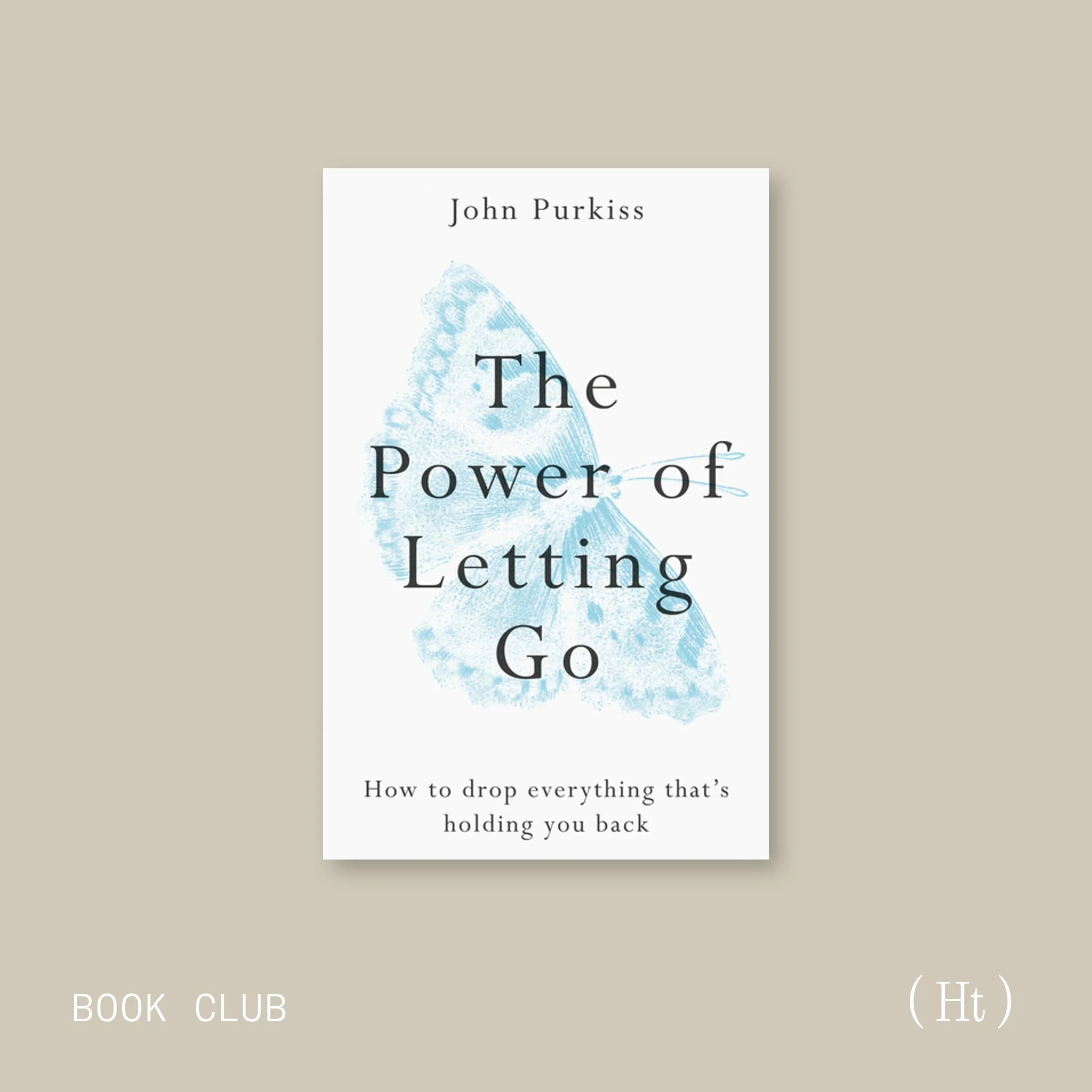
Power of Letting Go by John Purkiss
OUR BLOG: 12 -
Be Present and Enjoy Each Moment
Let Go of the Thoughts that Keep You Stuck
Let Go of the Pain that Runs Your Life
Surrender and Tune into Something Far More Intelligent than Your Brain
Purkiss shares his ideas and rationale behind why we should let go and some techniques for how this can be practised, he believes that when you truly let go, it allows you to live intuitively, in flow, and no longer shackled to your own belief that things should be a certain way.
It is about surrendering to the things you cannot control and finding peace in this opening.

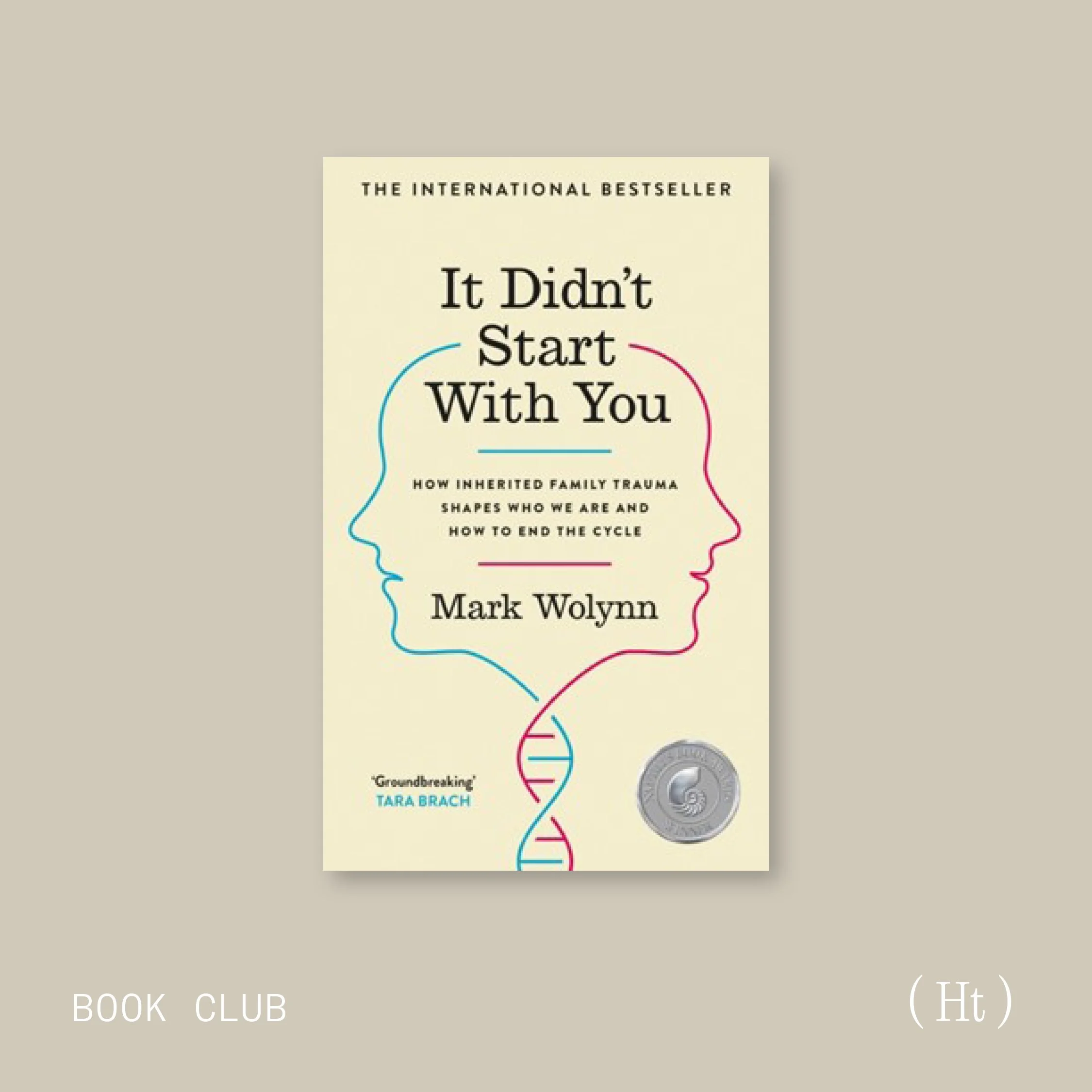
It Didn't Start With You by Mark Wolynn
-
You will learn: How to identify inherited family trauma that lives in your anxious words, fears, behaviours and unexplained physical symptoms.
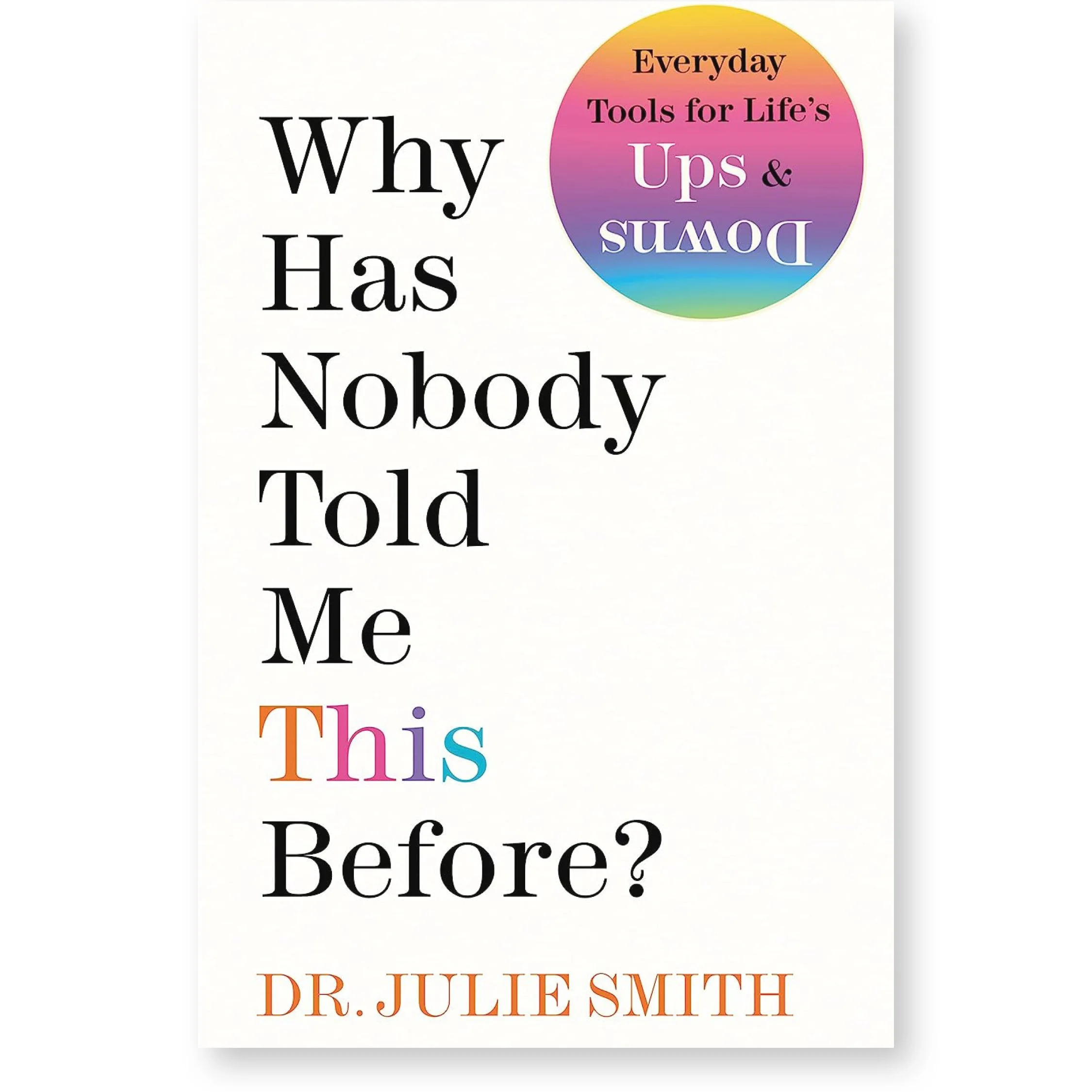
Why Has Nobody Told Me This Before? by Dr. Julie Smith
-
This Book is an empathetic and practical guide to improving and maintaining mental well-being. It offers bite-sized, actionable advice and coping strategies for anxiety, depression, unexpected setbacks, a lack of self-confidence, and more.

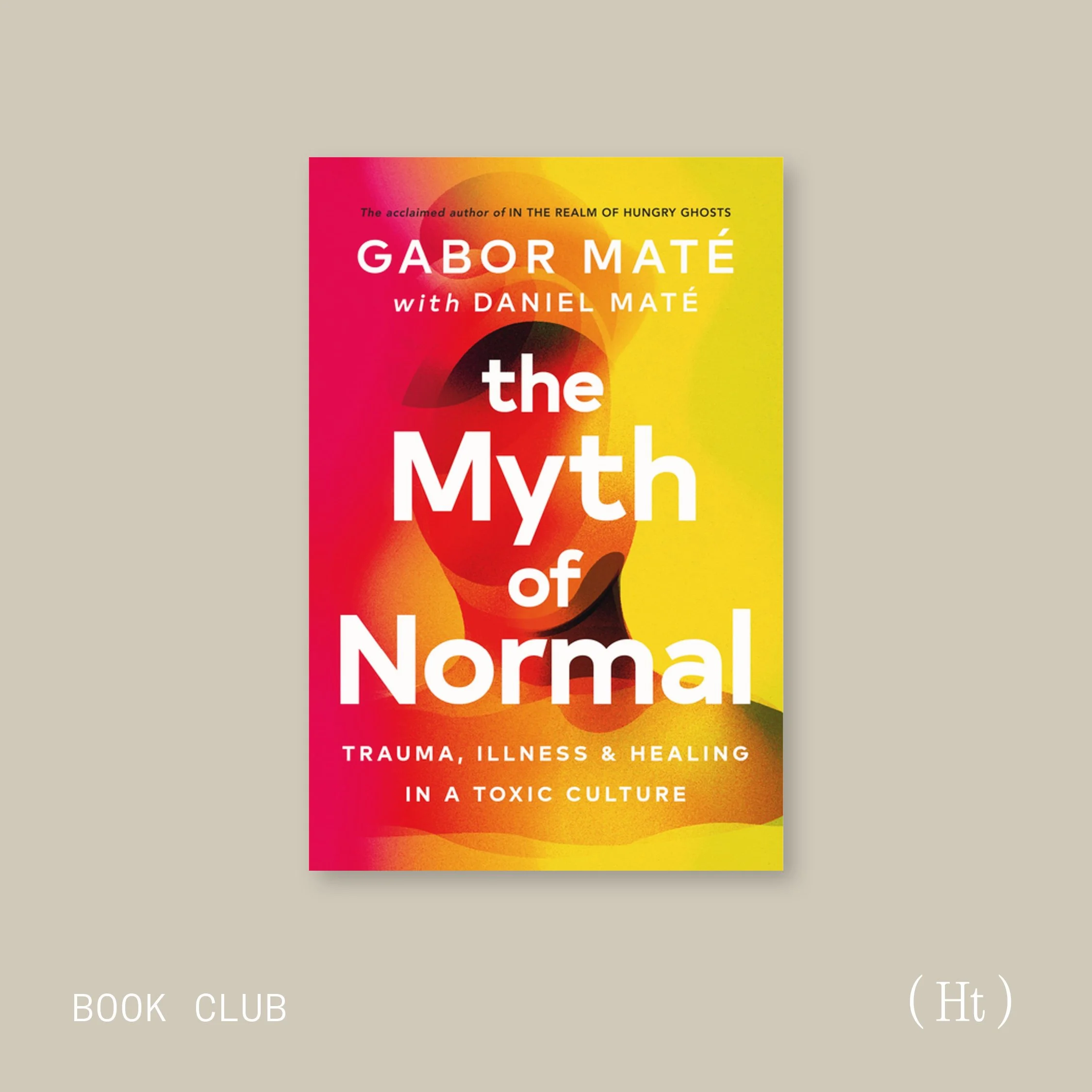
The Myth of Normal by Dr. Gabor Mate
@gabormatemd | OUR BLOG: 17, 15 -
In this book, he discussed the effects of trauma and how it can deeply impact one's experience by keeping them trapped in the past and disconnected from the present.
This book captures the intricate nuances of trauma and helps the readers contextualised how trauma affects not only individuals but the collective being
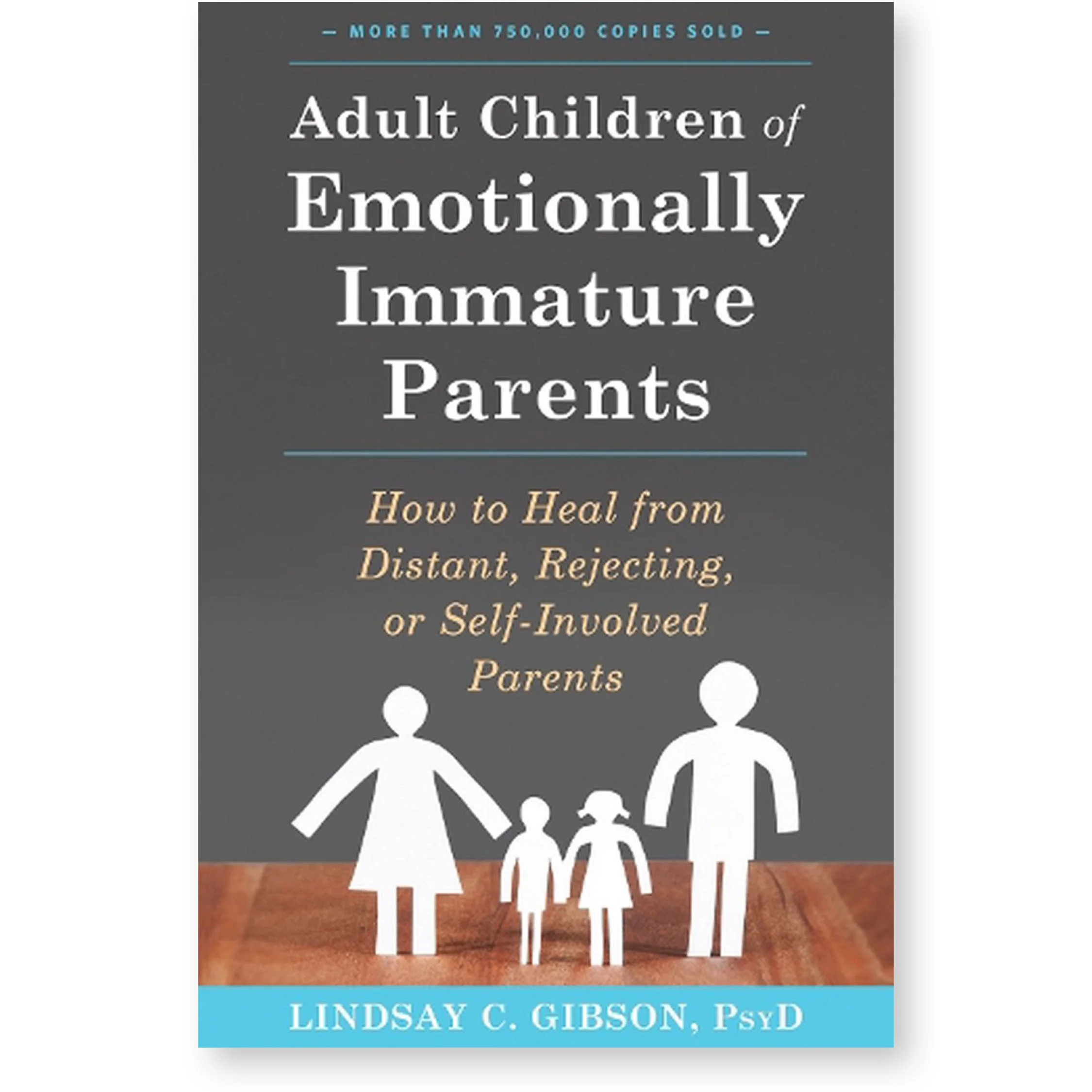
Adult Children of Emotionally Immature Parents by Lindsay Gibson
-
This book helps the reader to understand and identify what an emotionally immature parent looks like and helps them recognise how this has impacted them. These reflections and ideals can support them to think about how they can take this understanding to help heal themself. Additionally, it prompts the contemplation and consideration of their emotional intimacy with themselves and others.
This is a very insightful book. I always encourage my clients to take note of what stands out for them and bring it to session to safety and supportably pack what is alive in them.
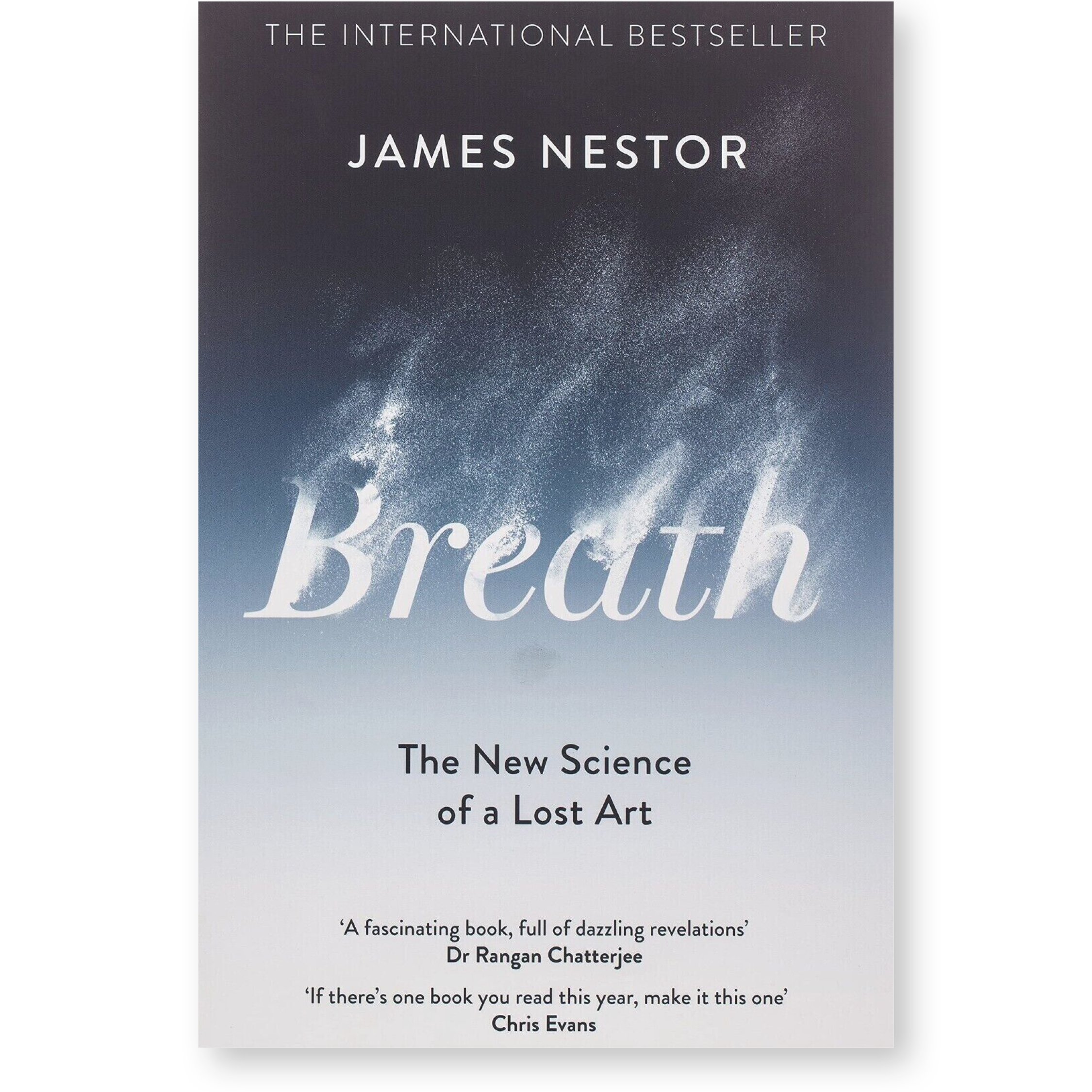
Breath: The New Science of a Lost Art by James Nester
-
It highlights how our modern lifestyle negatively impacts our breathing patterns and overall health. The book offers some practices and potential solutions to consider if you are motivated to improve your understanding or relationship to your physical body, mental well-being and breath.
A great resource if you want to begin your journey into using your breath in your therapeutic or well-being journey
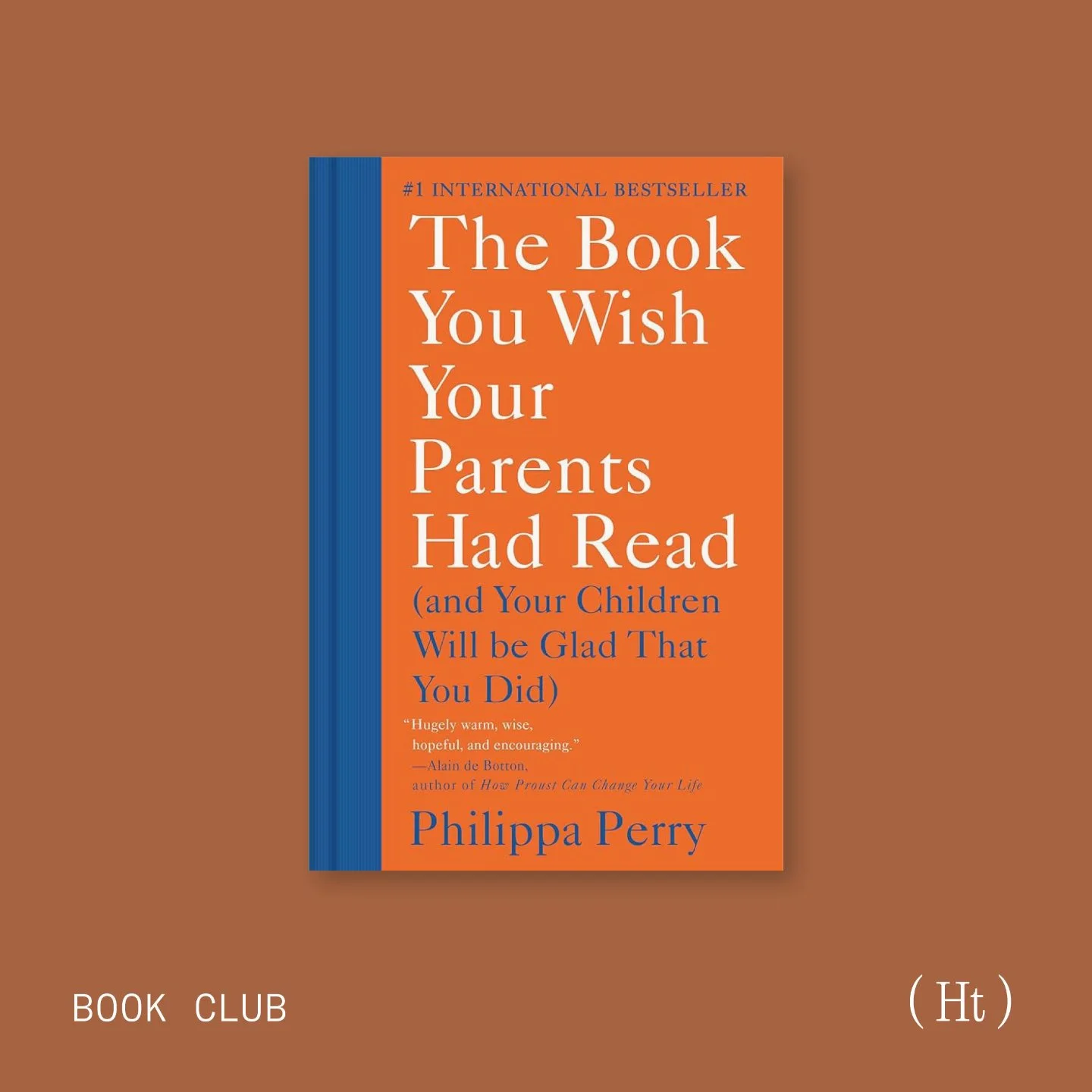
The Book You Wish Your Parents Had Read by Philippa Perry
-
It guides parents to understand and overcome their childhood traumas and support their children's development by building healthy relationships based on mutual respect.
It’s not only for parents but for people who are reparenting themselves. It first teaches you how to communicate with your child and then identifies the factors that hinder developing a safe and emotionally intimate relationship.
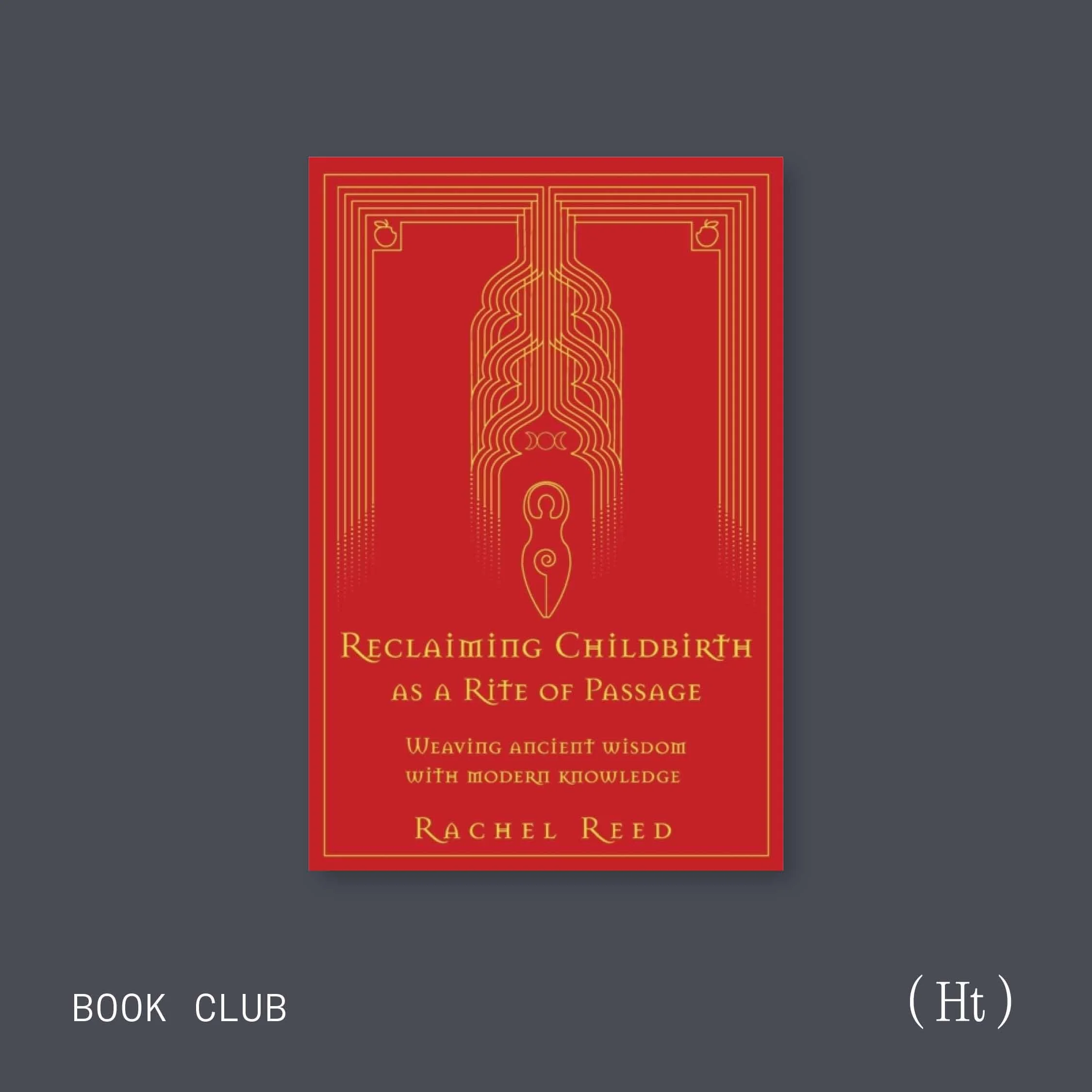
Reclaiming Childbirth as a Rite of Passage by Dr Rachel Reed
@dr.rachel.reed | OUR BLOG: -
This book is absolutely magnificent and a must-read! Each word, idea and piece of wisdom ignited every cell in my body. Dr Rachel Reed is well-renowned in the birth realm and is a strong advocate for a revolution in childbirth and midwifery. But the ideas and wisdom in this book extend beyond birth. It’s about women’s rights, human rights, physiological autonomy, the law of reciprocity, and so much more.
She provides a clear illustration of how the modern approach to maternity care fails women, families and care providers with outdated practices that centre the needs of institutions rather than individuals.
In this book, Rachel Reed weaves history, science and research with the experiences of women and care providers to create a holistic, evidence-based framework for understanding birth. Reclaiming childbirth as a rite of passage requires us to recognise that mothers own the power and expertise when it comes to birthing their babies. Whether you are a parent, care provider or educator, or simply a human who has been birthed by their mother, this book will transform how you think and feel about childbirth.

The Polyvagal Theory by Stephen Porges’s
-
This pioneering piece of work explores the connection between our physiological responses and social behaviour. It offers valuable insights into how our nervous system impacts our emotions and relationships.
Recall a moment when you suddenly felt comfortable in a new setting or perhaps a time when you experienced an inexplicable sense of unease around someone. These instinctual responses originate from neuroception, an unconscious process that scans our environment and the individuals within it, shaping our emotions and actions.
Neuroception determines whether to trigger our body's defensive responses – fight, flight, or freeze – or to foster social interactions that nurture and reinforce connections with others. Prioritising social engagement, manifested through gestures like eye contact, vocalisation, and facial expressions, is crucial as it establishes the groundwork for trust and security within relationships. However, for these social bonds to thrive, our defensive mechanisms must be subdued in safe environments. This transition is facilitated by oxytocin, a hormone that induces a state conducive to profound connection and bonding.
Yet, the neuroception system isn't flawless. Misinterpretations, where signals of safety or danger are misconstrued, can lead to mental health struggles such as anxiety, depression, and autism. This is where the Polyvagal theory becomes relevant, introducing three neural circuits that influence our defensive and social behaviours.
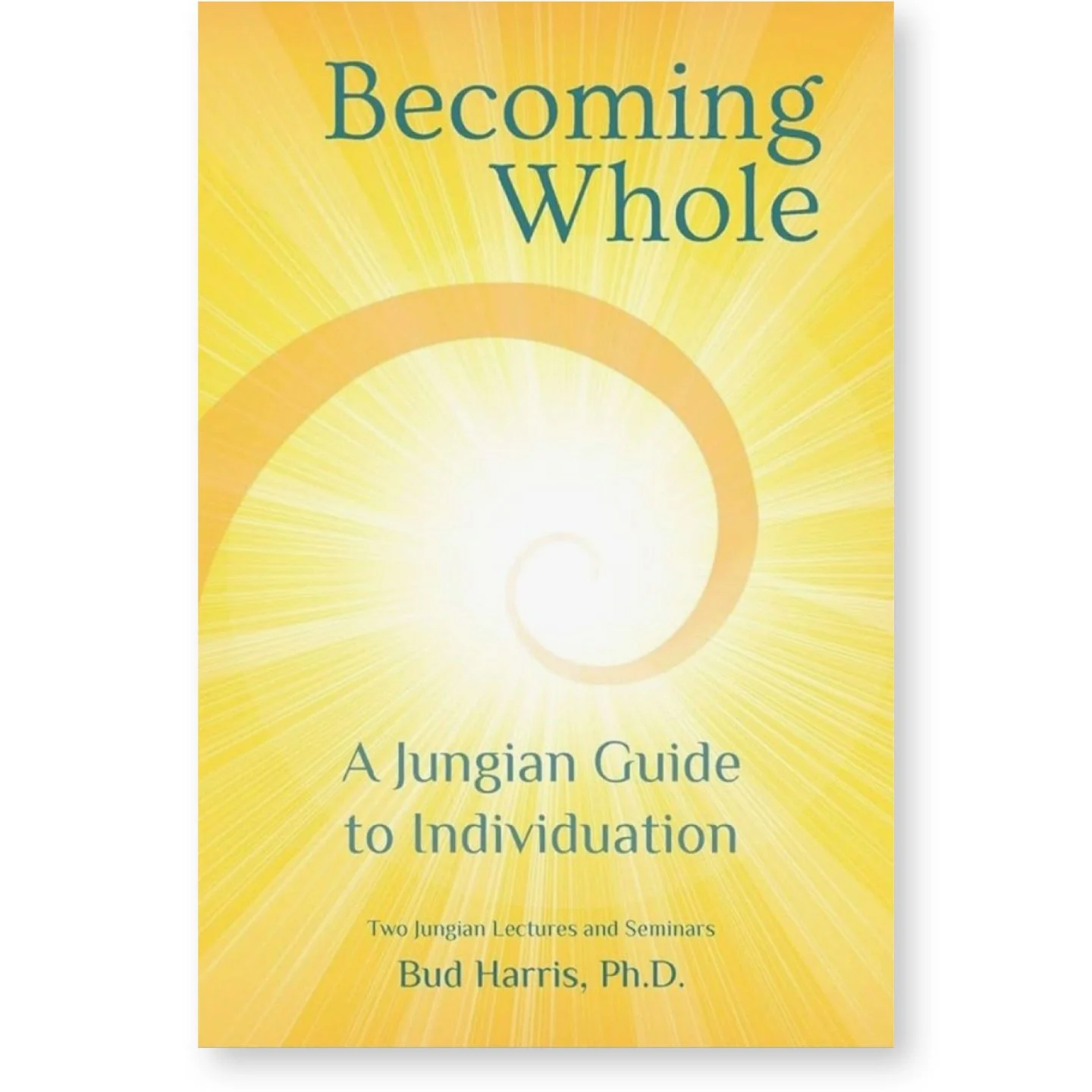
Becoming Whole: A Jungian Guide to Individuation by Bud Harris
-
A great introduction to Carl Jung’s classic principles of individuation, complexes, psychic structures, and consciousness. Harris refers to personal and relatable examples to make Jungian concepts accessible to a modern audience.
A great place to begin before embarking on the search for a deeper understanding of the “individuation process”

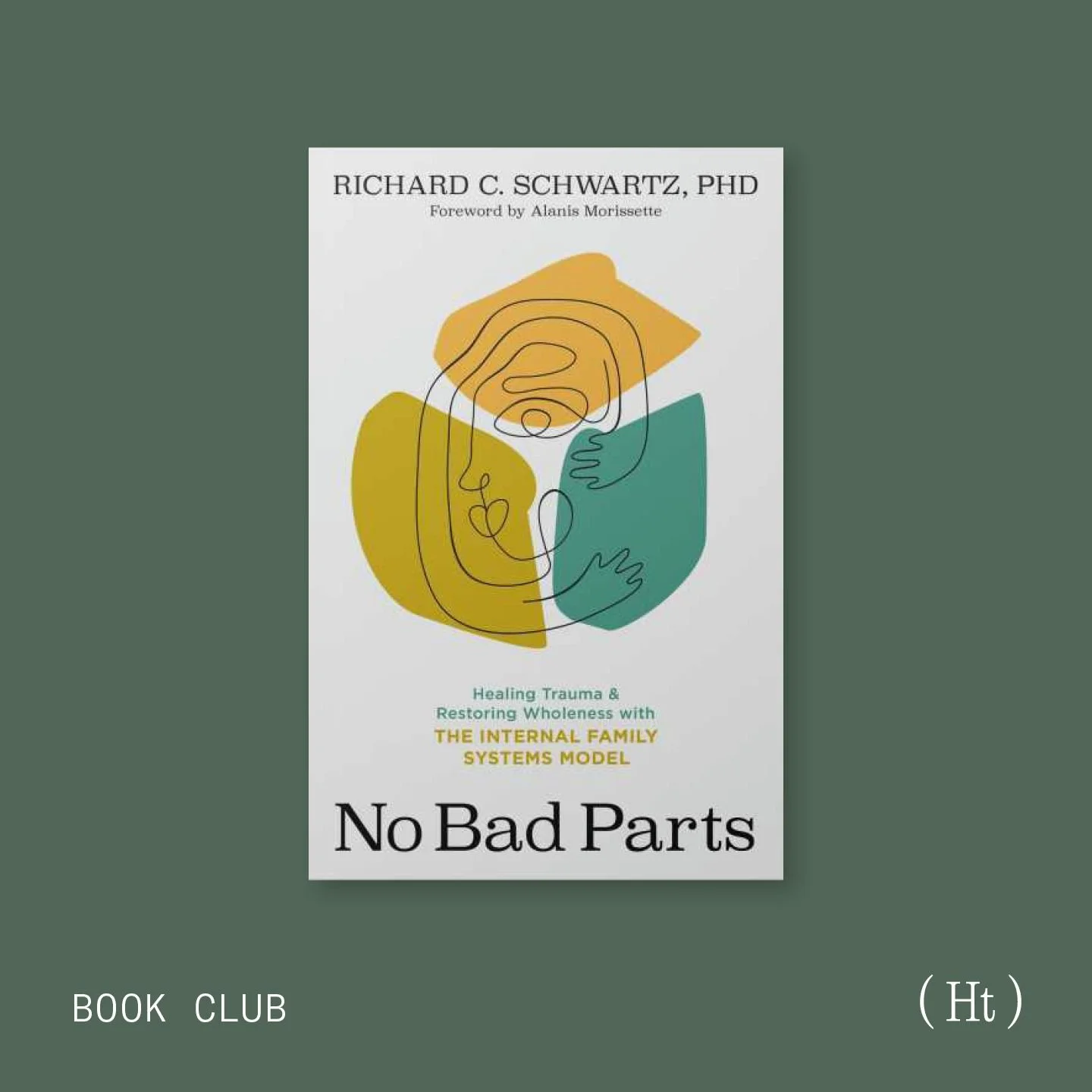
No Bad Parts by Richard C. Schwartz
-
"No Bad Parts" by Richard C. Schwartz introduces the Internal Family Systems (IFS) therapy model, a compassionate approach to understanding and integrating inner conflicts. By challenging the mono-mind theory, Schwartz emphasises that our minds are composed of multiple parts, each with its own voice. Through practical advice, guided meditations, and real-life examples, he encourages readers to engage with these parts rather than suppress them, fostering a journey towards healing and personal growth.

How Emotions are Made by Lisa Feldman-Barrett
-
"How Emotions Are Made" by Lisa Feldman Barrett offers a groundbreaking perspective on the nature of emotions, challenging the classical view that emotions are hardwired responses. Barrett presents the theory that emotions are constructed at the moment, shaped by our past experiences and cultural context. She explores how the brain’s predictions and interoceptive network play a crucial role in forming our emotional experiences. Through this insightful lens, Barrett encourages readers to understand emotions as dynamic and individualised, fostering a deeper connection with their emotional world and promoting personal growth.
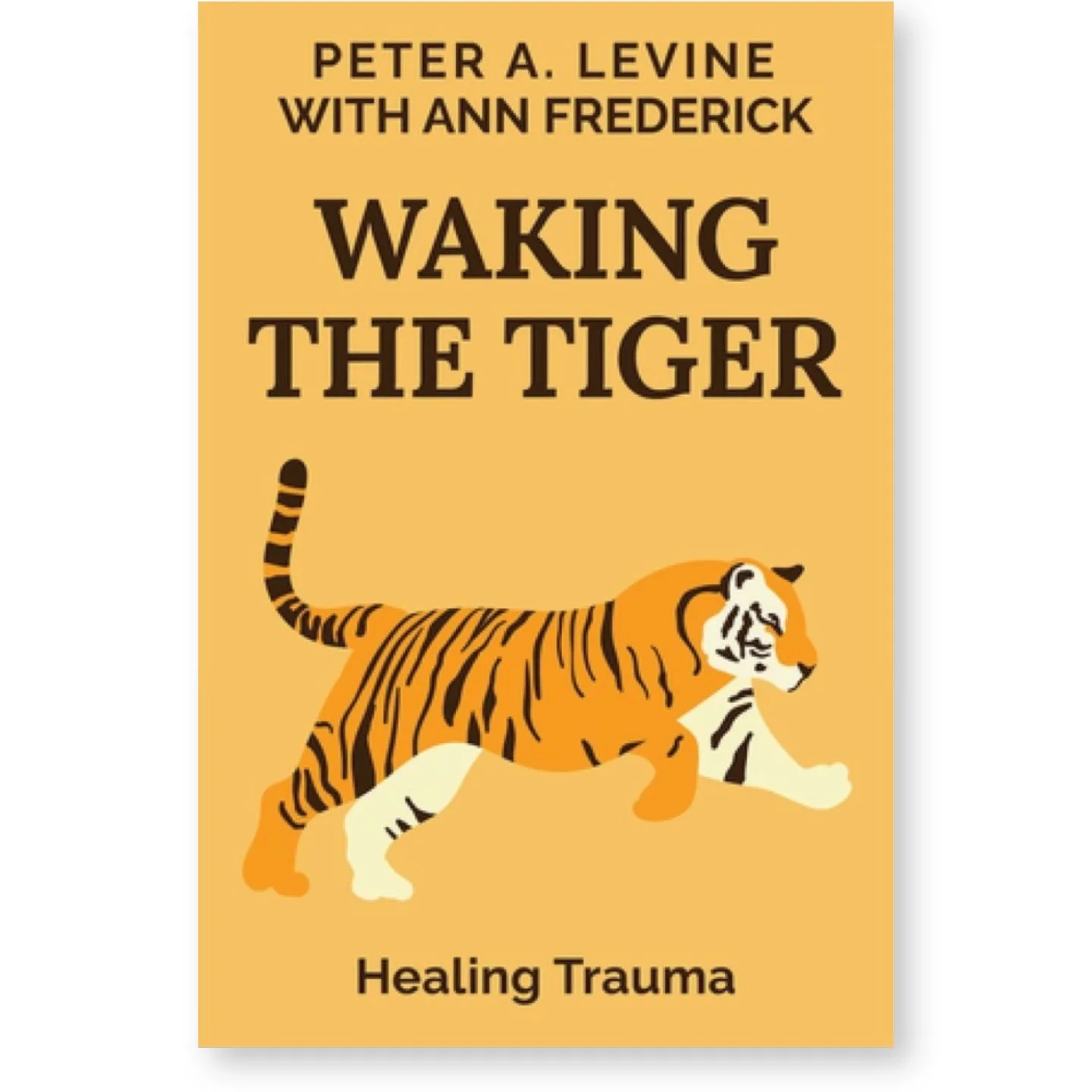
Waking the Tiger: Healing Trauma" by Peter A. Levine
-
Levine introduces the concept of "trauma survival energy," explaining how traumatic experiences can become trapped in the body, leading to symptoms like anxiety and depression. Through his somatic experiencing approach, he provides practical exercises and real-life case studies to guide individuals in releasing this trapped energy, fostering healing and restoring natural resilience.
This book is a trusted resource for anyone seeking to understand and heal from trauma, emphasising the importance of reconnecting with the body's innate wisdom for personal growth and well-being.

Women Who Run With The Wolves by Clarissa Pinkola Estés
-
Women Who Run with the Wolves is a powerful exploration of the wild feminine spirit, filled with stories and myths that guide women on a transformative journey to reclaim their innate wisdom and strength.
The Wild Woman archetype is the female soul and the source of the raw feminine. The stories in this book are medicine; the way the author plays with archetypes, symbols, and patterns offers a framework for healing and learning. In that sense, the stories of the Wild Woman are far more than a string of words – if you let them be, they can also be maps that guide you back to your wild inner power.
Beyond Anxiety by Martha Beck
-
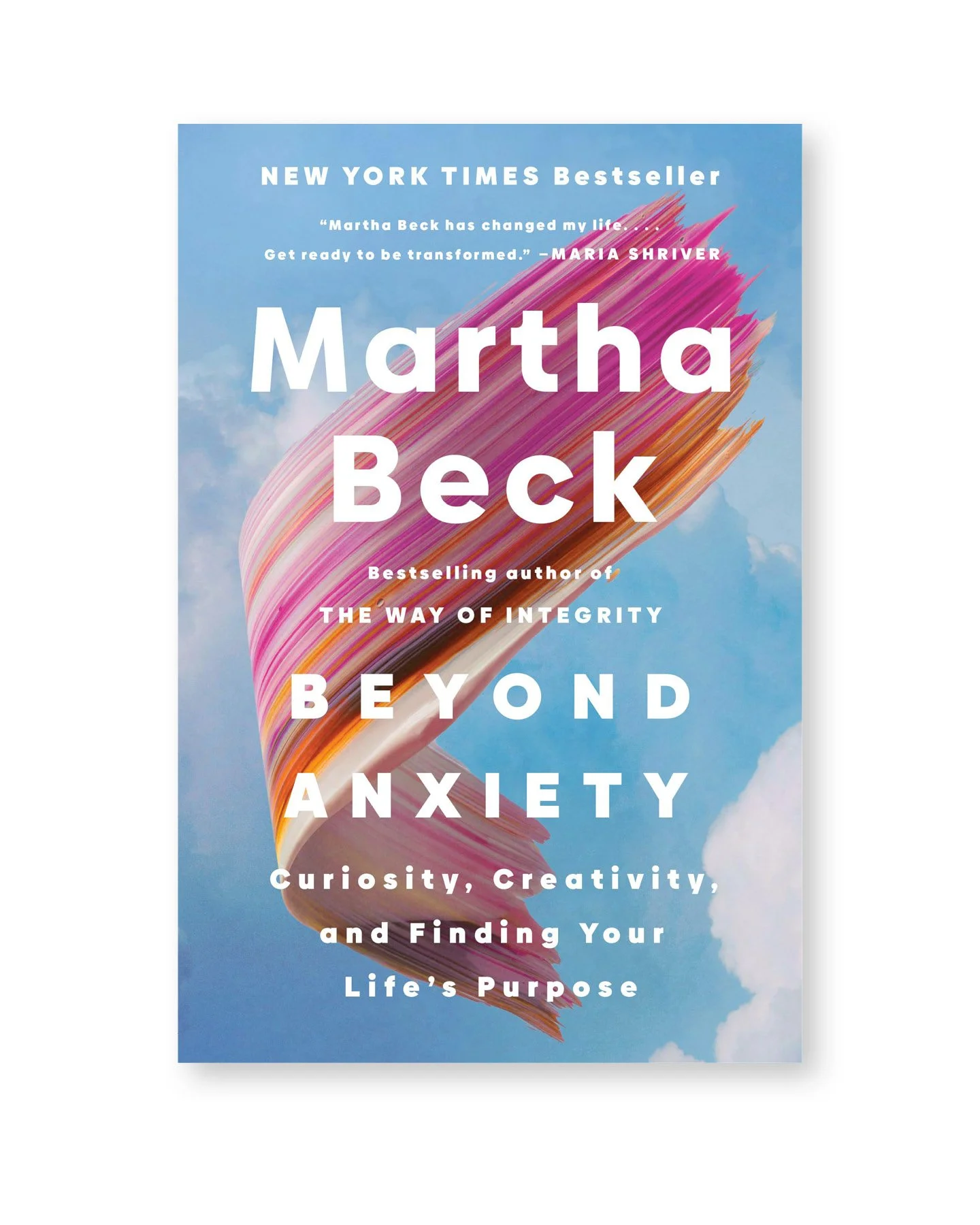
In a time where anxiety seems to touch almost everyone — often quietly shaping our days — Beck offers a fresh, compassionate, and science-based perspective on how to break free from its grip.
Drawing on the latest neuroscience alongside her background in sociology and coaching, Beck describes what she calls the “anxiety spiral” — a self-reinforcing pattern of overthinking and being overwhelmed that so many of us know too well. But instead of encouraging us to think our way out, she shows us how to tap into a different part of ourselves: the creative, connected, and intuitive part.
Her approach is not about quick fixes but about shifting into what she calls the “creativity spiral” — a process that invites meaning, joy, and authentic connection back into our lives. Beck’s message is clear: the opposite of anxiety isn’t avoidance or control — it’s a fuller, freer way of living.
This book is an empowering guide for anyone who wants to transform anxiety into clarity, presence, and deeper connection — with themselves and the world around them.
How to Know a Person by David Brooks
-
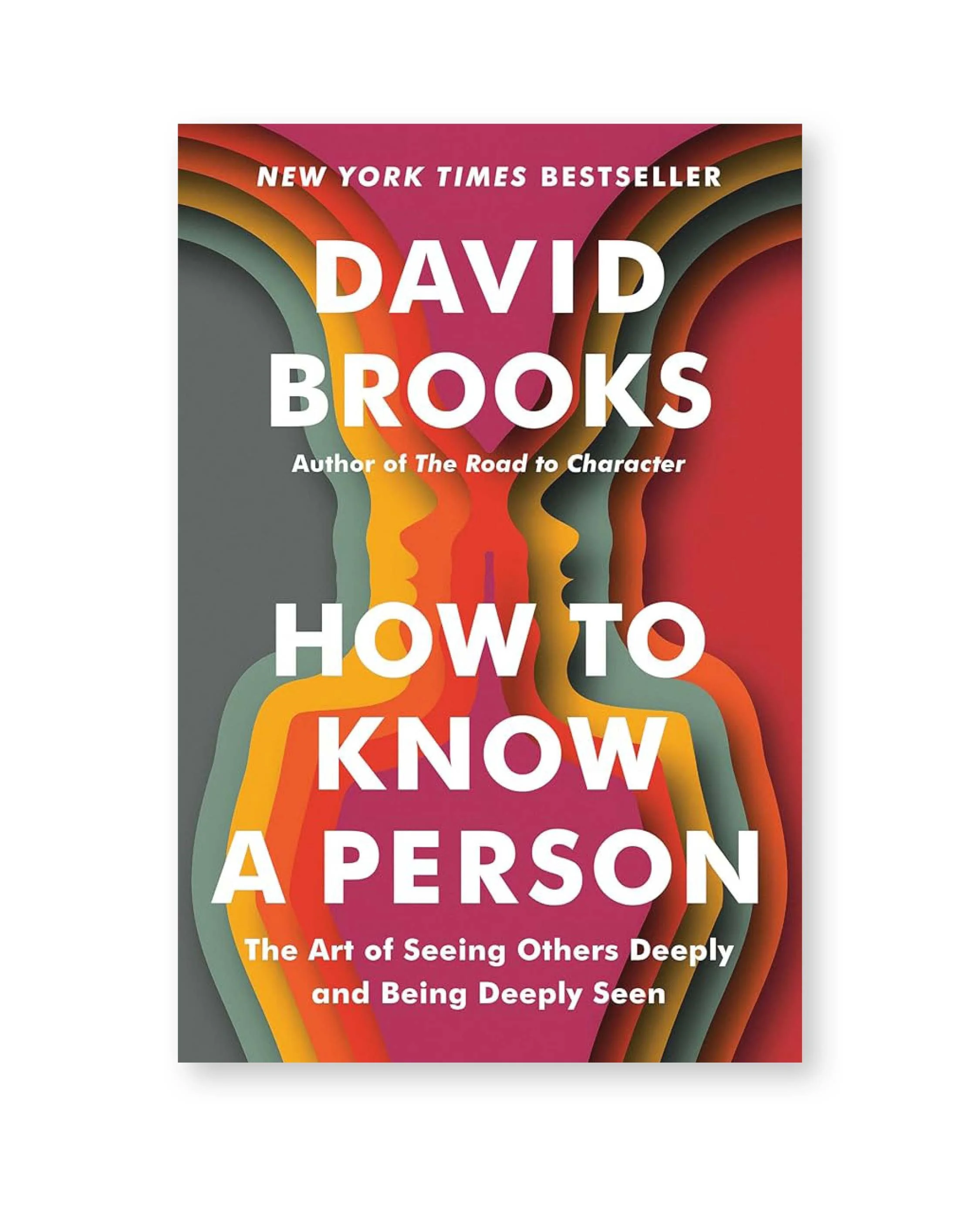
In a world marked by disconnection, misunderstanding, and surface-level interaction, this book is a heartfelt and practical guide to rebuilding meaningful connections.
Brooks explores what it truly means to know another person — not through quick assumptions or intellectual analysis but by showing up with curiosity, openness, and genuine attention. He invites us to move beyond small talk and transactional conversations and instead cultivate what he calls “seeing others deeply.”
Drawing from psychology, neuroscience, philosophy, and his reflections, Brooks offers thoughtful questions and practical ways to understand better the people around us — at home, at work, and in everyday encounters. He reminds us that knowing someone is an art and a skill, one that requires presence, empathy, and humility.
At its heart, How to Know a Person is an invitation to shift how we relate to others — and in doing so, how we relate to ourselves. It’s a book about human connection in its truest form: creative, healing, and profoundly meaningful.

Break the Cycle: A Guide to Healing Intergenerational Trauma by Mariel Buqué
OUR BLOG: 12 -
Eventually, this hurt can injure an entire lineage, metastasising across years and generations. This is intergenerational trauma.
This trauma is why some of us become estranged from our families, why some of us are people pleasers, why some of us find ourselves in codependent relationships. This trauma can be rooted in the experiences of ancestors, who may have suffered due to unhealthy family dynamics, and it can be collective, the result of a shared experience like systemic oppression, or harmful ingrained behaviours in a culture like the acceptance of physical discipline of children, or even a natural disaster like a pandemic. These wounds are complex, impacting our minds, bodies, and spirits. Healing requires a holistic approach that has so far been absent from the field of psychology. Until now.
This book is the latest literature on this topic and will deeply transform your understanding of your psychology and lineage.


Meditations for Mortals by Oliver Burkeman
-
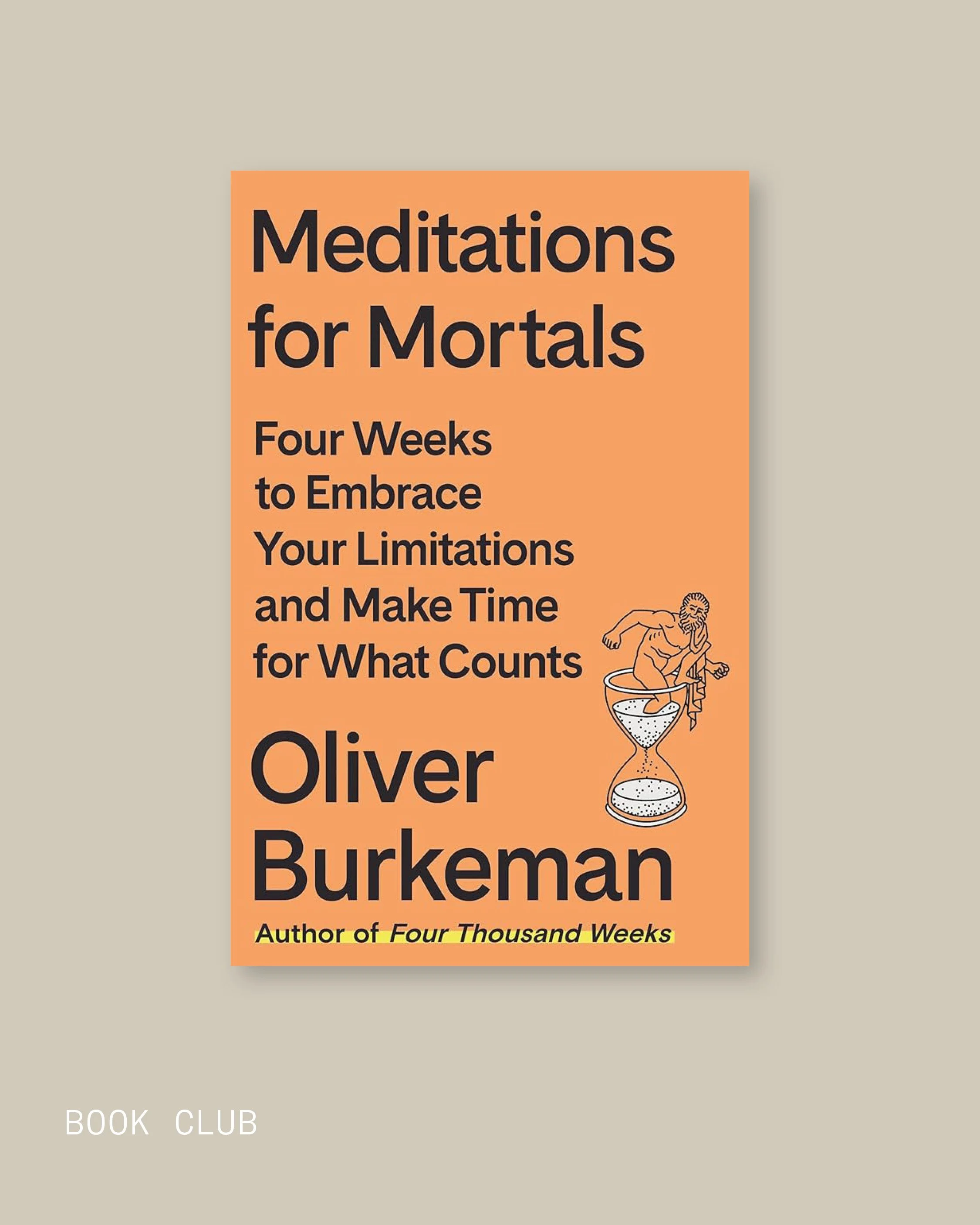
In Meditations for Mortals, Oliver Burkeman invites us into a quiet but profound shift in perspective. Rather than chasing the perfect version of life we imagine, he asks us to begin exactly where we are. Drawing on philosophy, literature, psychology, and self-help, he introduces a concept he calls “imperfectionism” — a way of living that honours our limits, welcomes uncertainty, and makes space for what truly matters.
This book is both deeply practical and deeply human. It explores how to make decisions when nothing feels clear, how to stop striving for control, and how to live more purposefully by letting go — not by doing more. Whether read as a four-week mental retreat or in one thoughtful sitting, Meditations for Mortals offers gentle wisdom for anyone feeling overwhelmed, stuck, or disconnected. It doesn’t promise perfection, but it does offer something much more valuable: clarity, spaciousness, and a renewed sense of presence in the life you already have.

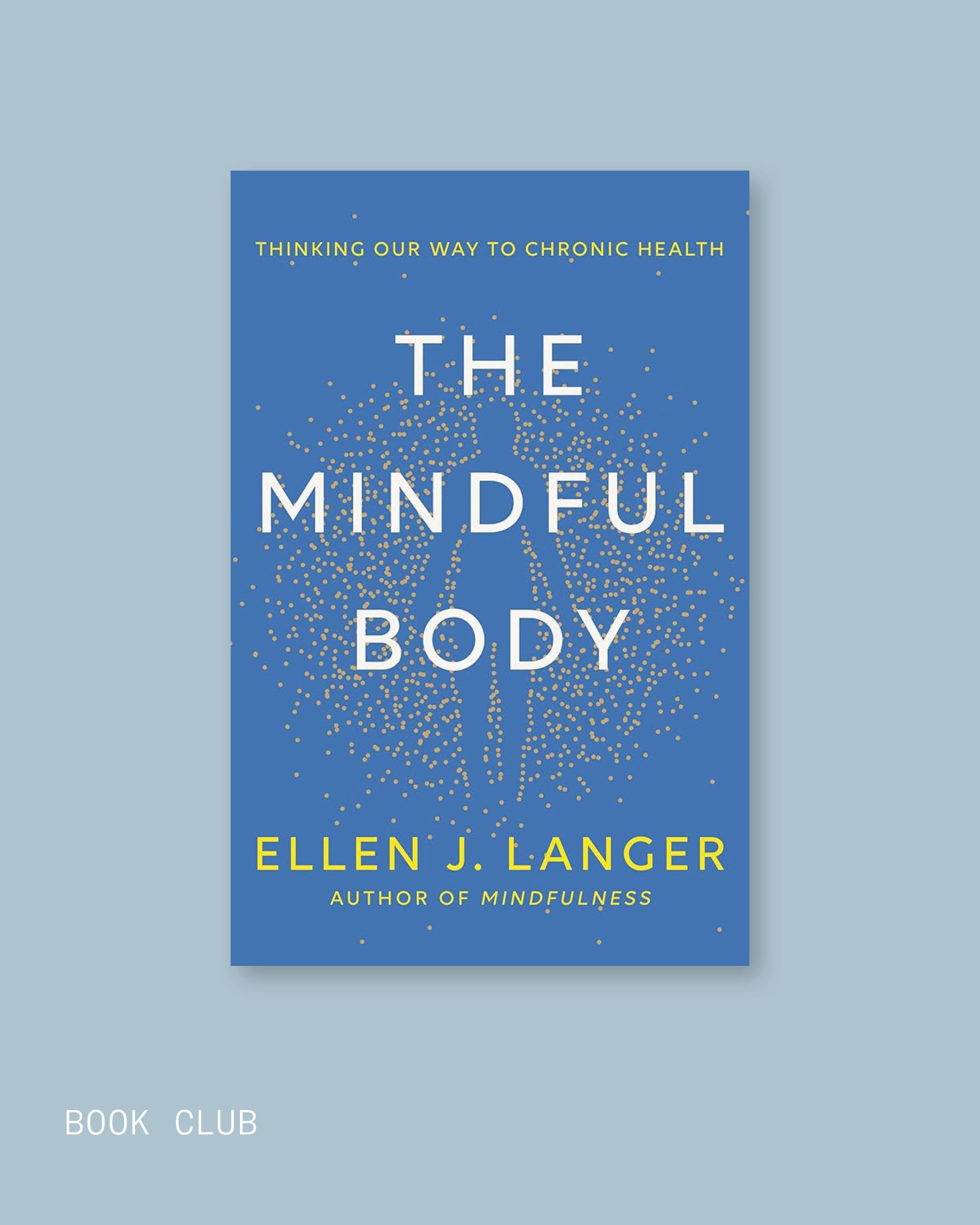
The Mindful Body by Ellen J. Langer
-
Through decades of research, Langer challenges this divide and shows how our thoughts, beliefs, and the way we pay attention can directly shape our physical well-being.
Drawing on fascinating studies and real-life examples, she illustrates how subtle shifts in perspective, what she calls “active noticing”, can create measurable changes in our health. From hotel workers losing weight simply by viewing their job as exercise, to patients healing faster when their environment subtly suggested it was possible, Langer’s work reveals how powerful our mindset truly is.
This book isn’t about magical thinking or denying real illness; it’s about recognising that our bodies respond to how we relate to them. It’s an invitation to step out of rigid labels and assumptions about what’s possible.
The Mindful Body is a thought-provoking, empowering read for anyone who wants to understand how mindfulness can extend far beyond meditation right into the way we experience our health, our aging, and our everyday lives.

Mating in Captivity by Esther Perel
-
Drawing on her clinical experience, Perel explores how pursuing emotional security can unintentionally suppress passion. She highlights cultural ideals like equality and candour as potential barriers to erotic energy, advocating instead for playfulness, mystery, and a sense of distance to reignite desire. The book offers a thought-provoking perspective on how couples can navigate the paradox of domestic stability and sexual excitement. Perel’s insights encourage readers to embrace the complexity of their relationships, shedding light on how passion thrives in spaces of uncertainty and creativity. Insightful and engaging, Mating in Captivity is a must-read for anyone seeking to deepen their understanding of love and lust, making it an essential resource for personal growth and relationship enhancement.
The book offers a thought-provoking perspective on how couples can navigate the paradox of domestic stability and sexual excitement. Perel’s insights encourage readers to embrace the complexity of their relationships, shedding light on how passion thrives in spaces of uncertainty and creativity.
Insightful and engaging, Mating in Captivity is a must-read for anyone seeking to deepen their understanding of love and lust, making it an essential resource for personal growth and relationship enhancement.
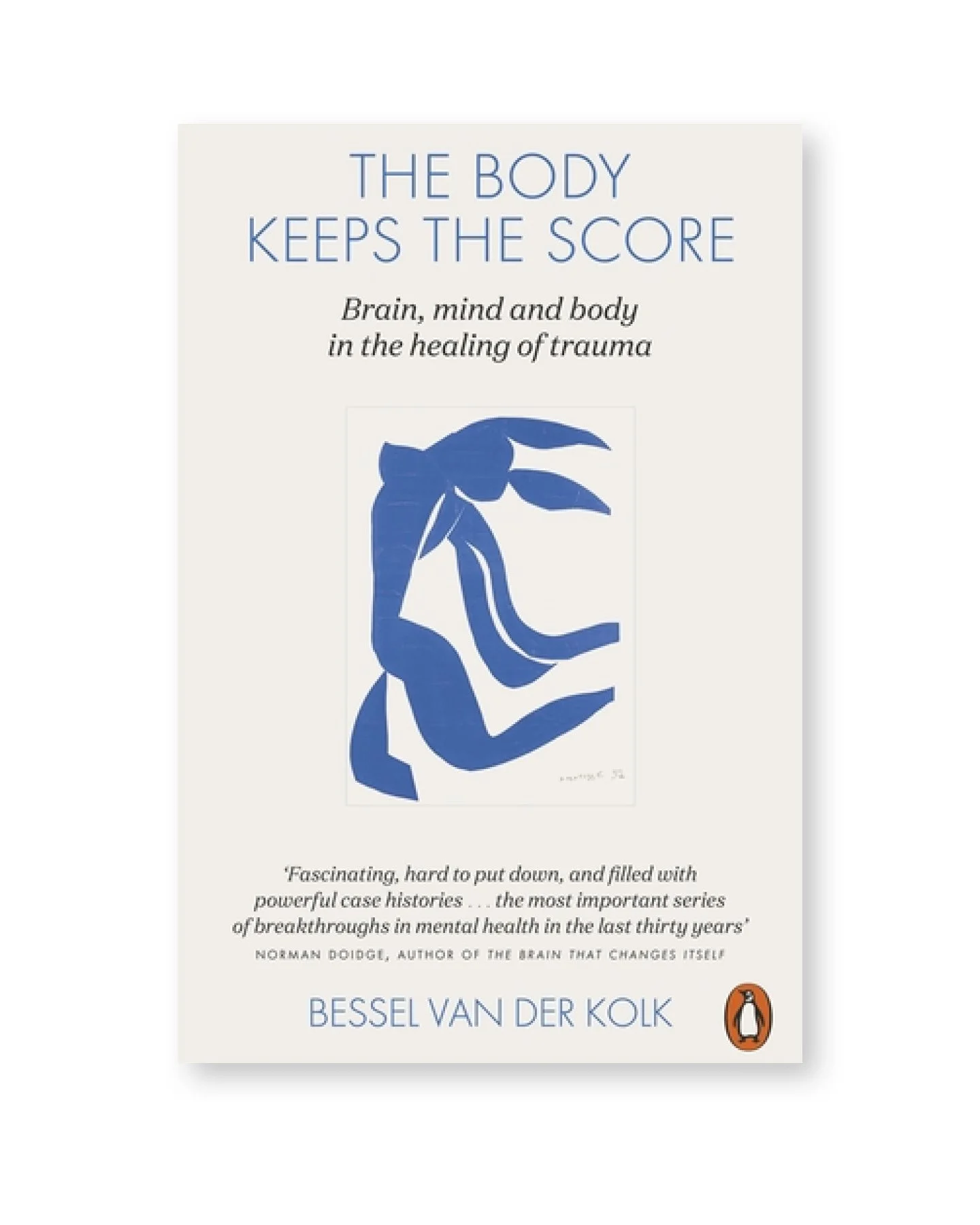
The Body Keeps The Score by Bessel Van Der Kolk
-
The Body Keeps the Score by Bessel van der Kolk explores how trauma reshapes the brain, rewires the nervous system, and lingers in our emotions, reactions, and relationships. But healing is possible. Through neuroscience, psychotherapy, and body-based practices like yoga, movement, and expressive arts, van der Kolk shows how we can reconnect with ourselves and regain a sense of safety. His work is a powerful reminder that healing isn’t just about understanding trauma—it’s about feeling, processing, and integrating it.
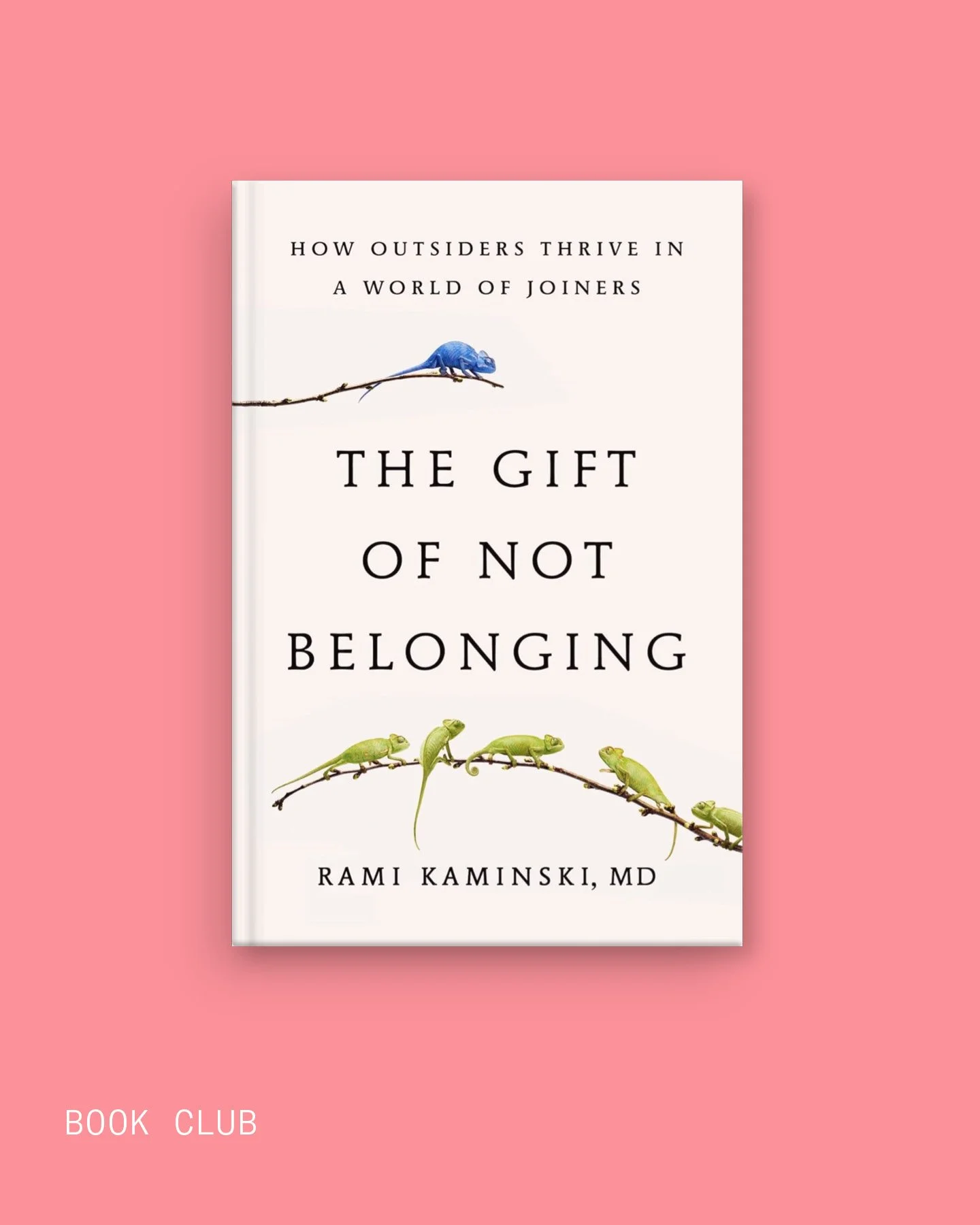
The Gift of Not Belonging by Rami Kaminski
-
Someone who feels little impulse toward group belonging and rarely identifies with any collective, regardless of its makeup. Rather than seeing this as a deficit, Dr. Kaminski reframes otroversion as a unique strength and a vital contribution to the social fabric.
If you were the child who dreaded school camps, who prefers deep one-on-one conversations to crowded gatherings, or who quietly resists conforming to group expectations, you may find yourself reflected in this book.
Drawing on over three decades of research, Dr. Kaminski explains that while otroverts are capable of rich, intimate relationships, they often experience alienation in group settings. Unlike introverts, who seek solitude to recharge, otroverts thrive on individual connection and seldom tire from meaningful social exchange. Nor are they loners or outsiders by circumstance; they are often well-liked and socially accepted, yet remain fundamentally independent from group identity and consensus.
Kaminski argues that this independence is precisely the otrovert’s gift. Without the need for group validation, otroverts develop a strong internal compass and an unshakable sense of individuality. The Gift of Not Belonging celebrates this autonomy and offers insight into how otroverts can embrace their temperament as a source of creativity, integrity, and quiet strength in a world that prizes belonging above authenticity.

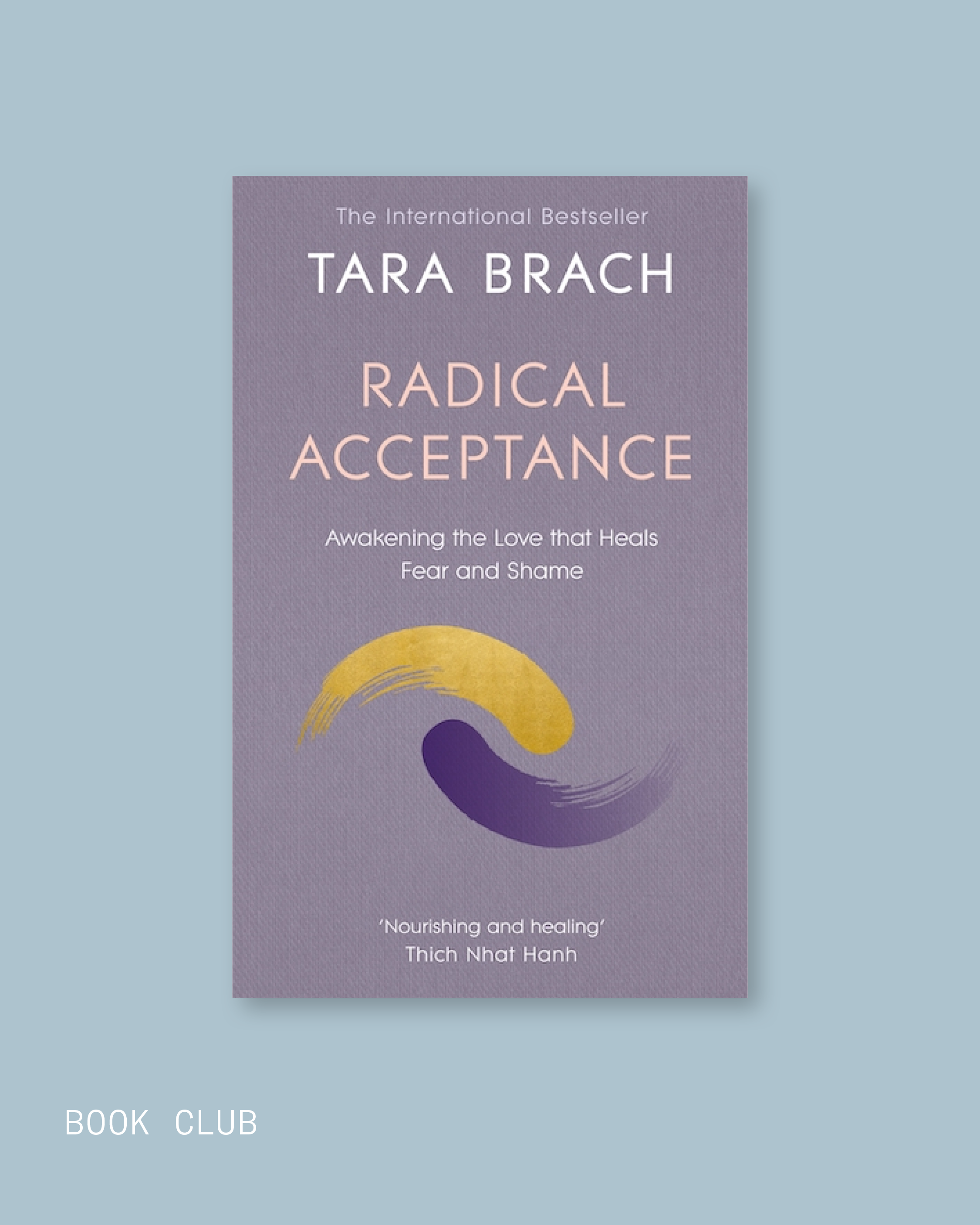
Radical Acceptance by Tara Brach
-
Blending Buddhist wisdom with psychological insight, she describes how many of us live under a “trance of unworthiness,” shaped by fear, shame, and self-judgment.
Through personal stories, meditations, and therapeutic reflections, Brach guides readers toward two essential practices: mindful awareness, seeing clearly what is happening, and compassionate presence, responding with kindness rather than resistance. Acceptance, she reminds us, is not resignation but the starting point for real changHer writing is warm, personal, and deeply human. Rather than prescribing perfection, Radical Acceptance invites us to come home to ourselves to meet our pain, longing, and imperfection with tenderness. It is both a gentle philosophy and a practical path to belonging.Image: Agnès Geoffray

A General Theory of Love by Fari Amini, Richard Lannon, and Thomas B. Lewis
-
Drawing on decades of research and clinical wisdom, three psychiatrists illuminate what poets and philosophers have intuited for centuries — that love is not only a feeling but a biological necessity woven into the very structure of our nervous systems.
This book reveals how our brains are shaped in relationship. From infancy onward, we regulate, learn, and grow through emotional connection — the subtle synchrony between bodies, voices, and hearts. These invisible exchanges form the foundation of who we become, influencing our lifelong patterns of intimacy and self-understanding.
Through this lens, therapy is not merely a treatment but a relationship capable of reshaping the brain and reawakening the capacity for connection. The authors invite us to see love as an organising force — one that can heal, regulate, and transform.
Written with both scientific precision and deep compassion, A General Theory of Love reminds us that emotional attunement is as vital to human survival as air or water. It’s a book that changes not just how we think about intimacy, but how we experience it.

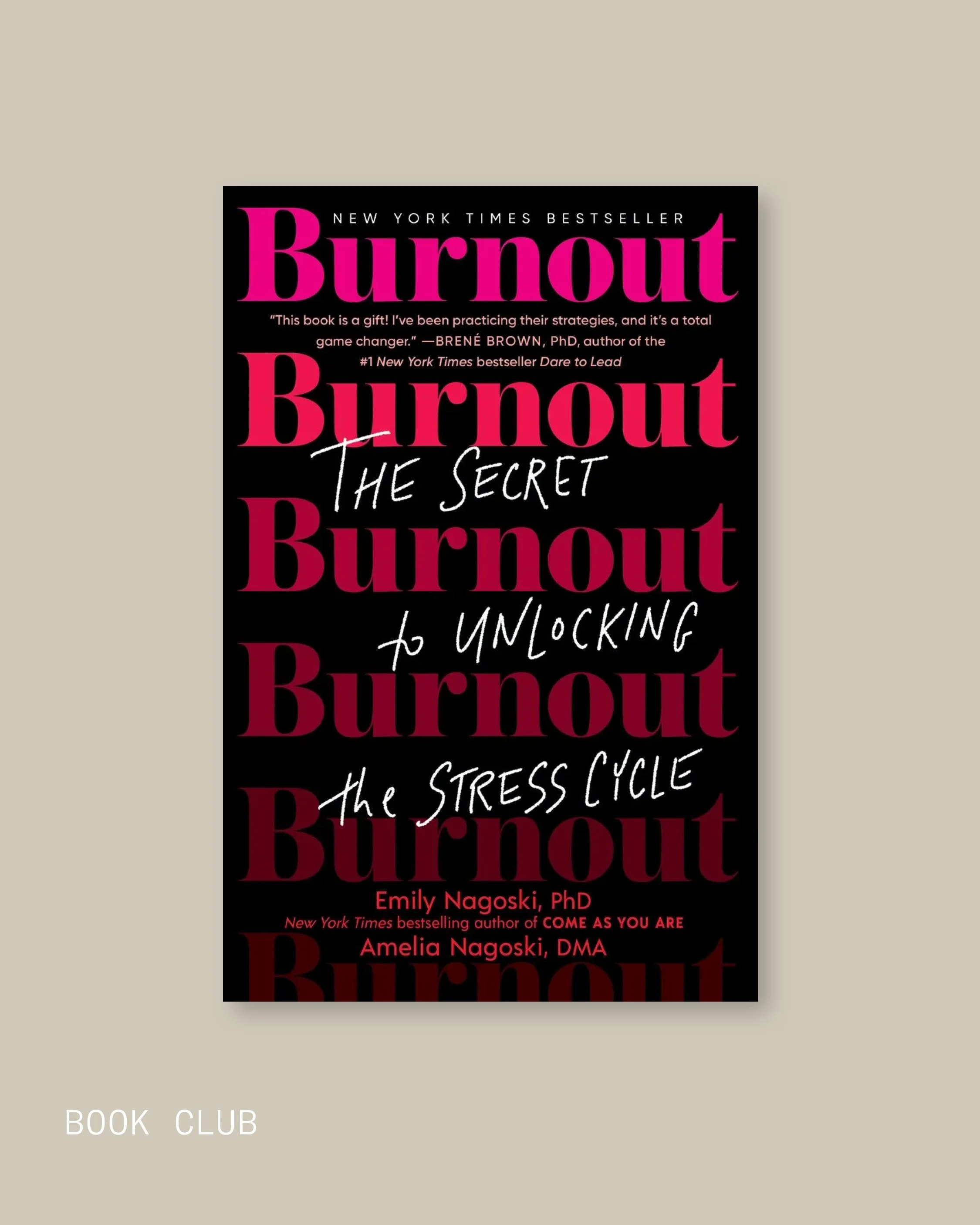
The Secret to Unlocking the Stress Cycle by Emily Nagoski and Amelia Nagoski
-
In Burnout: The Secret to Unlocking the Stress Cycle, the Nagoski sisters gently dismantle the myth that we can think our way out of exhaustion. Stress lives in the body, and unless it’s metabolised, it lingers.
This book is a powerful reminder that:
- rest is biological
- connection regulates
- movement completes stress
- and we are not machines built for constant output.
If you’ve been living in sympathetic overdrive, wired, tired, hyper-functional, this is a compassionate, science-backed place to begin understanding why. Burnout isn’t a weakness. It’s a nervous system asking for completion.This book reveals how our brains are shaped in relationship. From infancy onward, we regulate, learn, and grow through emotional connection — the subtle synchrony between bodies, voices, and hearts. These invisible exchanges form the foundation of who we become, influencing our lifelong patterns of intimacy and self-understanding.
Through this lens, therapy is not merely a treatment but a relationship capable of reshaping the brain and reawakening the capacity for connection. The authors invite us to see love as an organising force — one that can heal, regulate, and transform.
Written with both scientific precision and deep compassion, A General Theory of Love reminds us that emotional attunement is as vital to human survival as air or water. It’s a book that changes not just how we think about intimacy, but how we experience it.